
Understanding the Rough-In Stage for Electrical, Plumbing & HVAC
Once a new home in Central Texas has its exterior sheathing, flashing, windows, and doors installed, it reaches a major milestone known as “dried-in.” At this point the structure is protected from most weather, which means crews can safely move inside to begin one of the most critical phases of construction. This phase is the rough-in for plumbing and electrical systems. Rough-in work sets up the essential framework that all future finishes will rely on. It requires precision, careful coordination, and strict attention to building codes that keep homes safe and functional for decades.
In Central Texas, rough-in typically happens just before insulation and drywall. Local inspectors will evaluate the work to ensure it meets state code requirements and regional best practices. Because our area deals with shifting clay soils, seasonal moisture swings, and the need for efficient cooling systems, thoughtful rough-in planning makes a noticeable difference in long-term home performance.
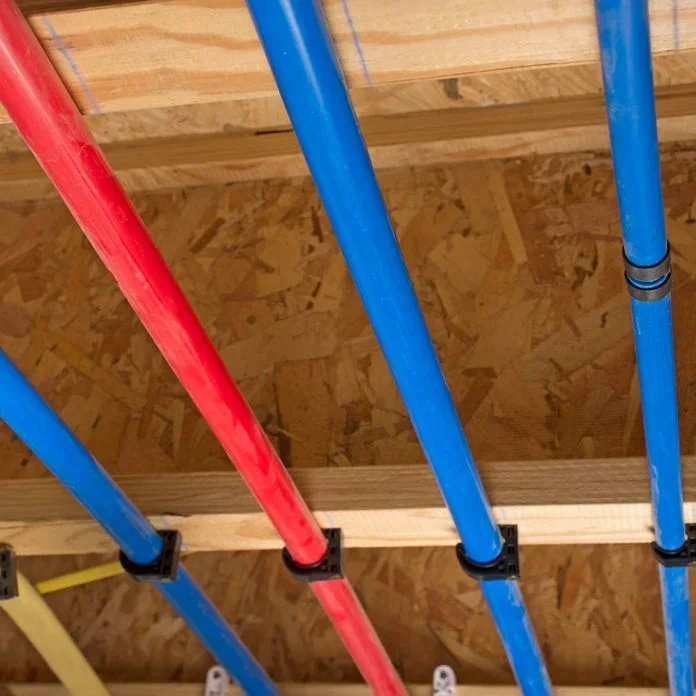
During the plumbing rough-in, plumbers install all water supply lines, drain piping, vents, shower pans, and tub framing. They do this before walls are closed so every pipe can be securely fastened and properly sloped. In Central Texas, plumbers often use PEX tubing for water supply because it handles expansion well and reduces the chance of burst pipes during occasional freezes. They route these lines through wall studs and ceiling joists with protective plates to prevent damage when drywall is later installed. Waste and vent piping is usually PVC. Its clean connections and smooth interior help reduce blockages and odors. At this stage plumbers also prepare shower valve heights, tub drains, and the placement of hose bibs while confirming that everything aligns with the home’s final layout.
Another part of the plumbing rough-in that is especially important in our region is pressure testing. Because homes here face high water pressure fluctuations, plumbers perform tests to identify any small leaks or weak fittings before anything gets concealed. This avoids problems the homeowner would only notice months or even years later. Inspectors will check drain slope, vent placement, and clearances in tight areas. Once it passes inspection, the system is ready for insulation.
Electrical rough-in follows a similar sequence but focuses on wiring the entire home’s power and communication systems. Electricians begin by marking the location of outlets, switches, fixtures, and panels based on the approved plans. They drill through framing and pull electrical cable throughout the house. Central Texas homes often include more dedicated circuits for HVAC equipment and kitchen appliances because the climate demands strong cooling systems and modern kitchens rely on high-powered devices. Electricians also rough-in wiring for exterior lighting, garage door openers, and low-voltage options like internet cabling.
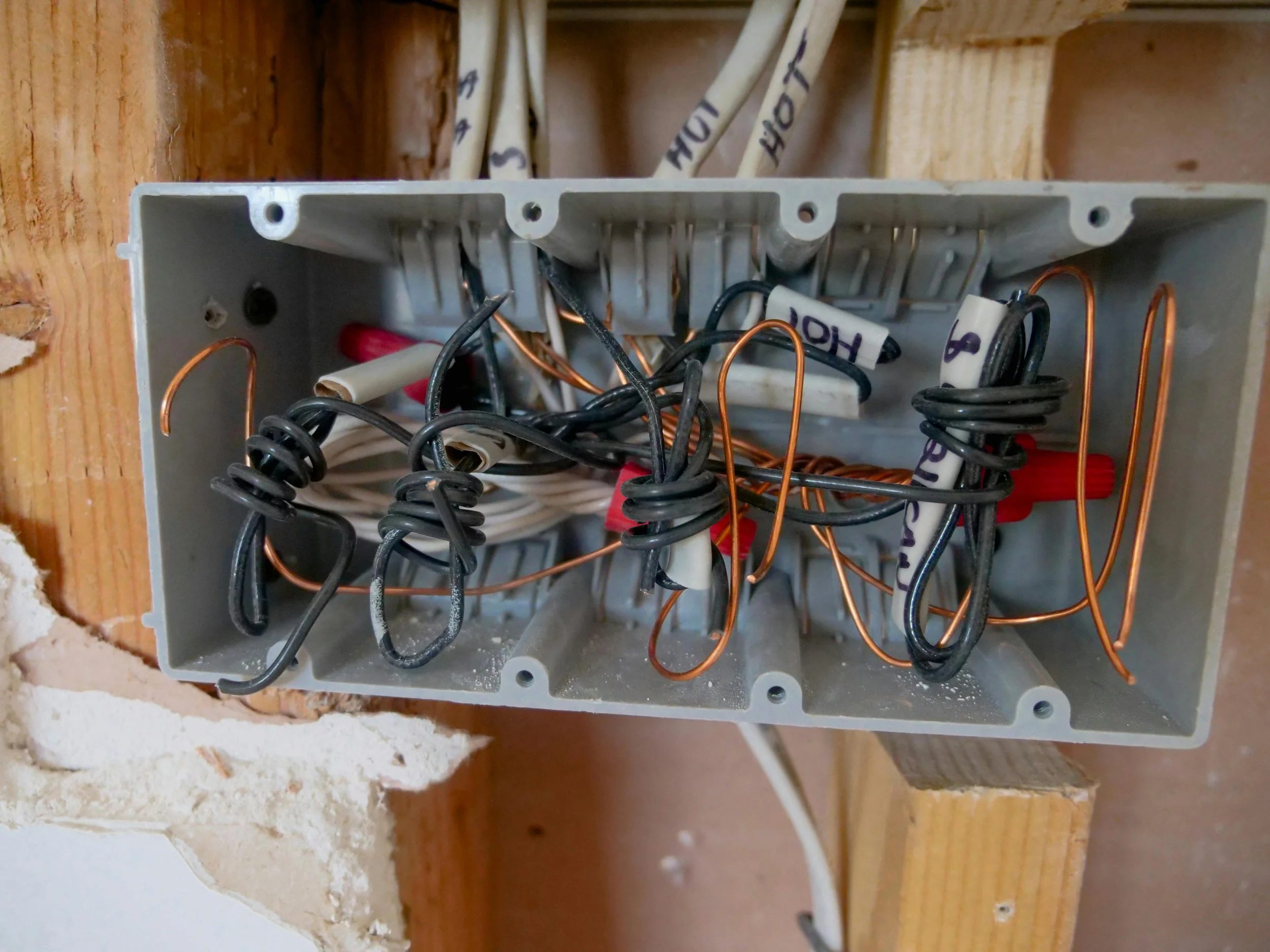
Safety is a key part of this phase. Every wire must be protected from damage and sized correctly for its circuit. Nail plates, staples, and secure routing help keep the system durable. In areas like bathrooms, outdoor spaces, and kitchens, electricians plan for GFCI protection, which reduces shock risks. Since Central Texas experiences strong thunderstorms, surge protection and grounding practices are also important. Proper grounding keeps electrical systems stable even during heavy lightning activity.
Coordination between trades is essential during rough-in. Plumbing, electrical, and HVAC teams must work around each other in the same wall cavities and attic spaces. Good builders map out these pathways in advance to prevent conflicts. For example, electricians avoid routing wires near hot plumbing lines and plumbers steer clear of areas where major electrical runs need uninterrupted space. This cooperation ensures the structure remains strong and systems remain accessible for future maintenance.
Once everything is installed, the builder schedules local/city inspections. Inspectors verify that plumbing vents terminate correctly, junction boxes are accessible, wiring is supported, and circuits are clearly labeled. These inspections exist to protect the homeowner. Passing them confirms that the rough-in work meets safety standards and that the home is ready for insulation and drywall installation. After passing inspection, the home moves into a stage where the interior begins to take shape. Finish materials depend on the accuracy established during the rough-in.
A well-executed rough-in sets the foundation for a home that performs efficiently and safely. Homeowners may not see these systems once the walls are closed, but they influence everything from water pressure to energy use and even indoor comfort. If you are building or remodeling in Central Texas, understanding this phase helps you appreciate the craftsmanship behind the scenes. If you have questions about your project or want help planning your own build, contact us today.