
Finishing Touches and the Final Walkthrough
This is the final installment in our homebuilding series, and it covers one of the most rewarding phases of construction. At this point, the structure is stable, systems are installed, and the home finally begins to look like a finished space. The final layers of drywall, paint, flooring, fixtures, and siding turn the project from a work zone into a livable environment. It is also the right time for your Phase 3 inspection and your final walkthrough.
Drywall Installation, Texture, and Paint
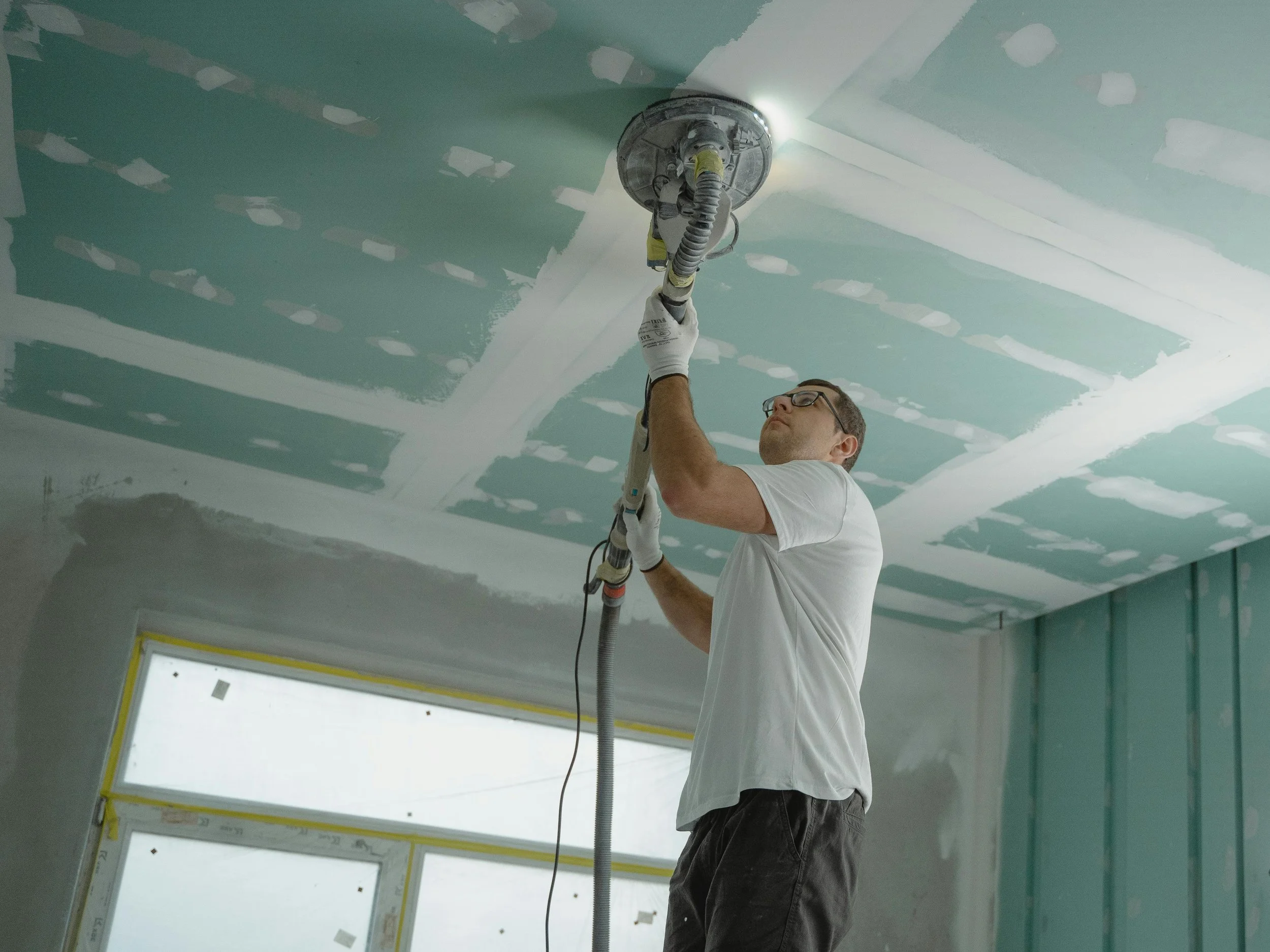
Drywall transforms open framing into actual rooms. In Central Texas, builders typically use half-inch drywall for interior walls and moisture-resistant options in bathrooms and laundry spaces. After installation, crews tape and float the joints, apply corner bead, and smooth imperfections. Texture is then added to create a consistent surface. The most common finishes in this region are orange peel and light knockdown because they hide minor wall movement caused by seasonal humidity shifts.
Once the drywall is complete and fully dried, it becomes the canvas for interior paint.
Primer goes on first to seal the drywall and help the topcoat bond properly. Central Texas builders usually choose low-VOC paints because they perform well in fluctuating humidity and allow homeowners to move in quickly without lingering odors.
Most homeowners choose a satin or eggshell sheen for main living areas. These finishes hold up better to dust, pets, and everyday cleaning. Ceilings are usually painted flat to reduce glare and make lighting softer. Trim and doors often get a semi-gloss finish so they stand up well to use and are easier to wipe clean.
Exterior Siding and Finishes
Exterior finishes are especially important in Central Texas because they must handle intense sun, heavy storms, and long dry spells. Common siding choices include fiber cement, engineered wood, and masonry accents. Fiber cement is particularly popular because it resists fire, rot, and insects, all of which are concerns in our region.
Once siding is installed, joints are sealed and painted. High-quality exterior paints made for UV resistance help slow fading and keep the home looking fresh. Caulking around windows and doors is also done at this stage to improve energy efficiency and protect against wind-driven rain during storm season.
Flooring Installation
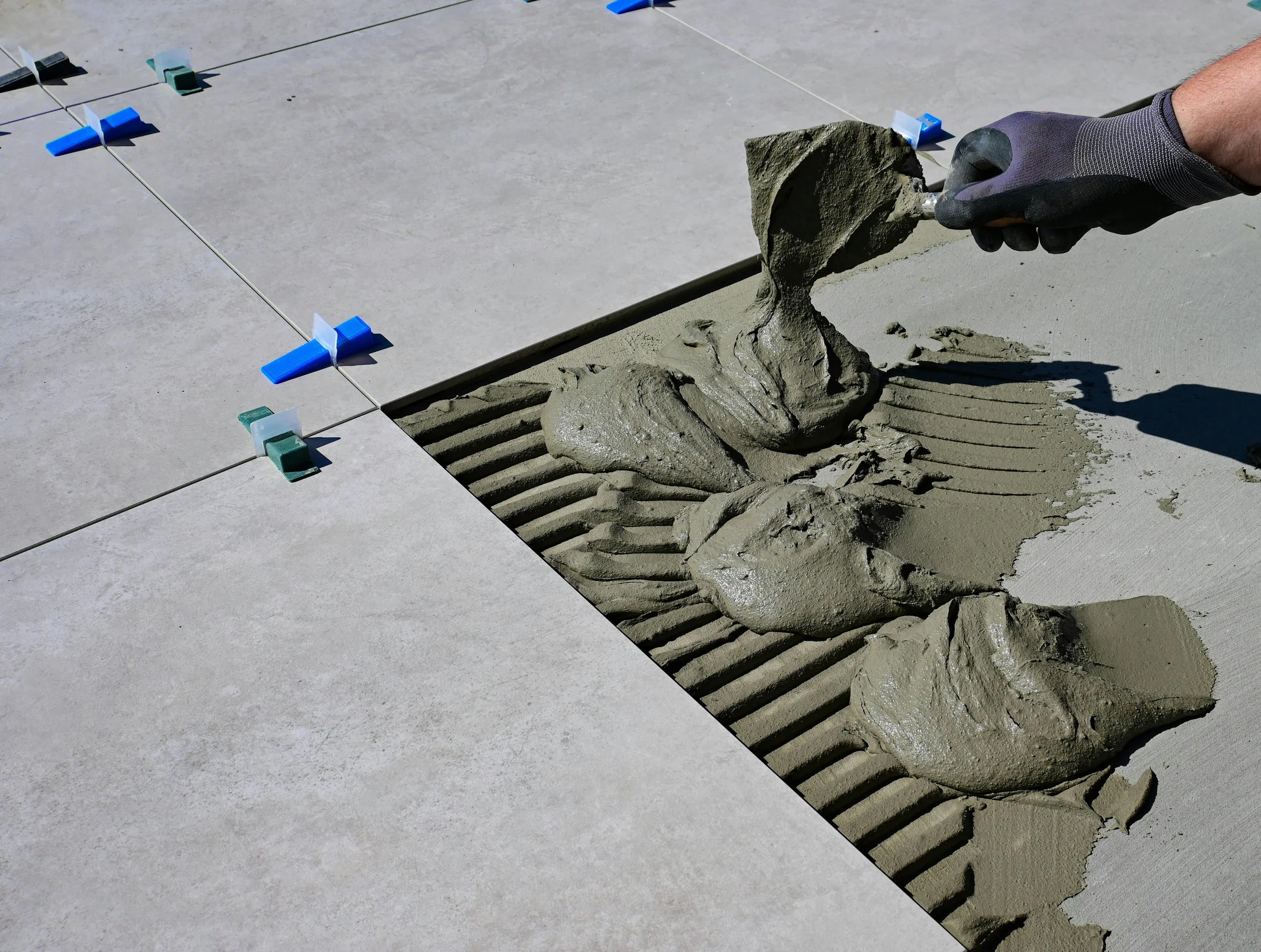
Flooring is generally installed after painting to prevent overspray or spills from damaging finished surfaces. Tile, luxury vinyl plank, and engineered wood are common choices in Central Texas homes. Tile works well in kitchens and bathrooms because it handles humidity and water exposure. Luxury vinyl plank remains popular because it mimics wood but offers more durability without the worry of shrinking or warping during temperature swings. Carpet is often reserved for bedrooms where warmth and sound absorption are priorities.
Crews carefully stagger seams and transitions so the flooring looks continuous throughout the home. Baseboards and trim are then installed and painted to complete the clean, finished look.

Plumbing and Electrical Fixtures
Once floors and walls are completed, trades return to install the final fixtures. For plumbing, this includes faucets, shower heads, toilets, tubs, sinks, and appliance hookups. Electricians install switches, outlets, ceiling fans, lights, smoke detectors, and any smart controls selected during earlier planning.
Because these items are the ones you will use every day, it is important to confirm placement and function. Central Texas homes often include features like LED recessed lighting for energy savings and water-efficient fixtures to help manage utility costs during dry seasons.
Phase 3 Inspection and Final Walkthrough
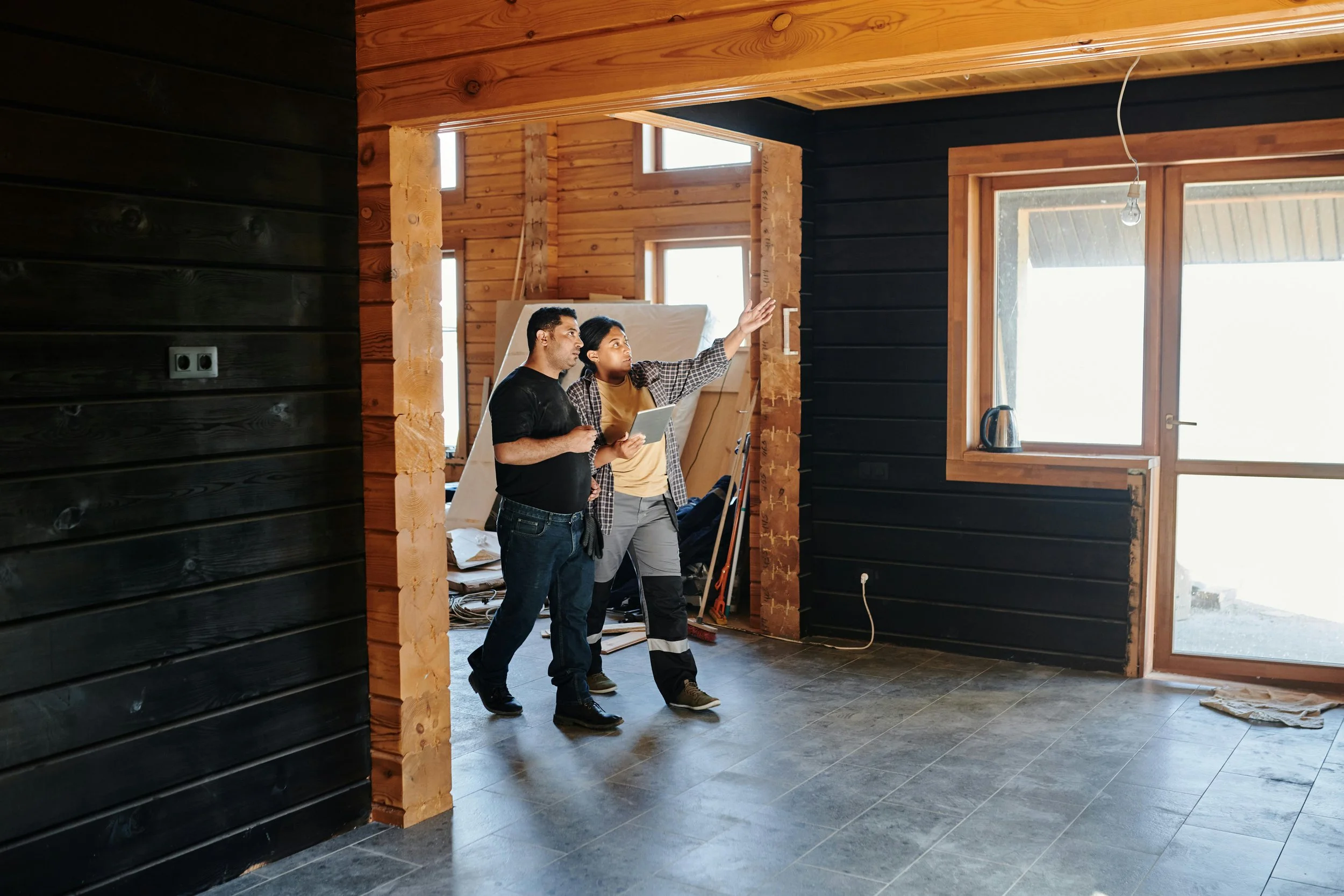
This point in the process is ideal for your Phase 3 inspection. The inspector reviews the completed systems, fixtures, and finishes to ensure proper installation. This includes testing electrical devices, verifying plumbing operation, inspecting HVAC performance, and checking that exterior finishes meet quality standards.
The final walkthrough usually takes place shortly after. This is your opportunity to note cosmetic issues, confirm that everything operates correctly, and make sure the home matches your contract documents. Small items like paint touch-ups, caulking, and hardware adjustments are normal at this stage. The walkthrough helps ensure you take possession of a home that is complete, safe, and ready for daily life.