
How Drain-Waste-Vent Systems Work: The Homeowner’s Guide to Drains, Traps, and Vents
A home’s drain-waste-vent (DWV) system is easy to forget—until it stops working. When it’s doing its job, wastewater disappears quickly, toilets flush cleanly, and your home stays odor-free. When it isn’t, you’ll notice gurgling drains, slow fixtures, sewer-gas smells, or—worst case—a backup.
This guide explains what a DWV system does, how it works, what commonly fails, what inspectors look for, and when to call a professional—all in plain language.
What the DWV system does (simple)
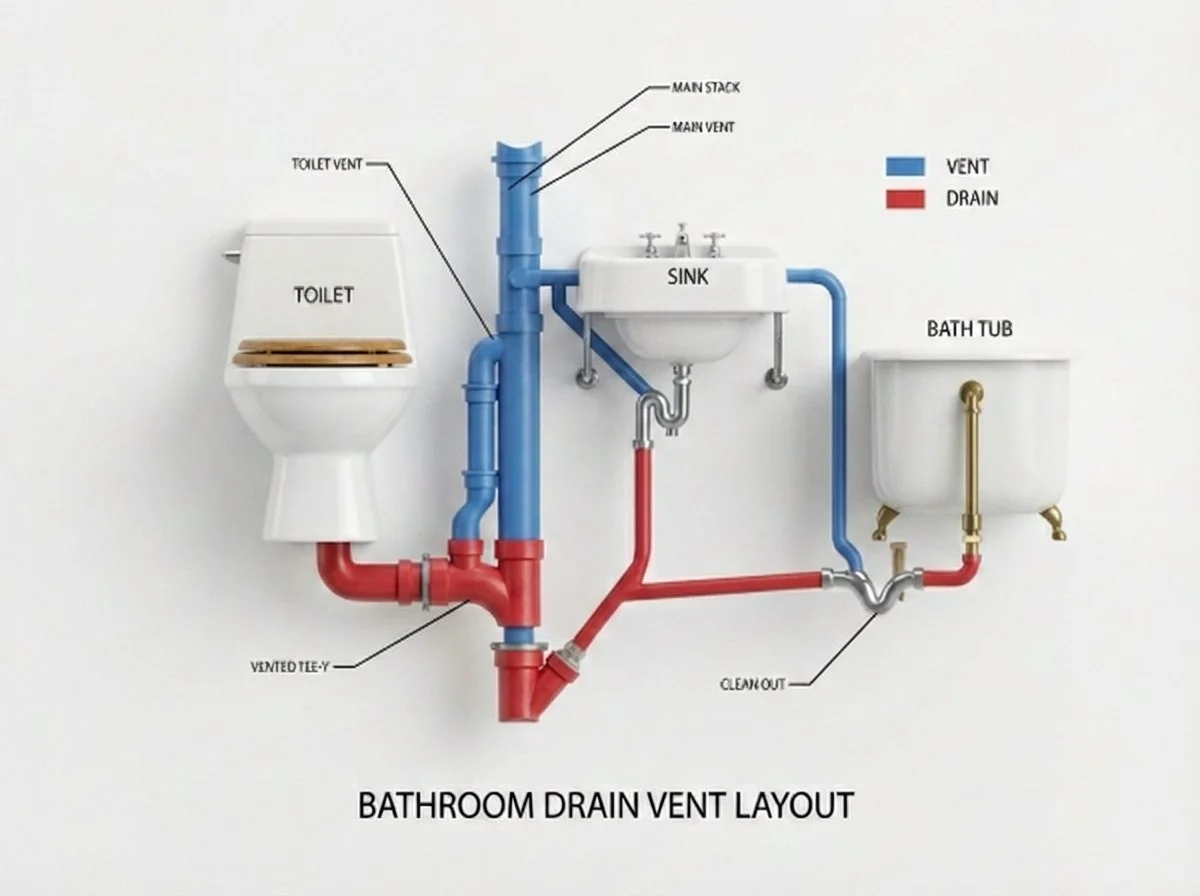
Your DWV system has three jobs:
Moves wastewater out of the home by gravity, from fixtures to the sewer or septic system.
Keeps sewer gases out using traps (like the P-trap under sinks) that hold a small water seal.
Balances air pressure with vent pipes so drains flow smoothly and traps don’t lose their seal.
How it works
Think of it like this: water goes down, air goes up, and traps sit in between.
Fixture drains carry used water away from sinks, tubs, showers, and toilets.
P-traps hold water to block sewer gas.
Vent pipes bring air into the system and release sewer gases safely above the roof.
Stacks and branch drains move waste downward.
Cleanouts provide access points for clearing blockages.
Why vents matter: when water rushes down a vertical pipe, it can create pressure changes that siphon water out of traps. Proper venting prevents that, keeping odors out and flow smooth.
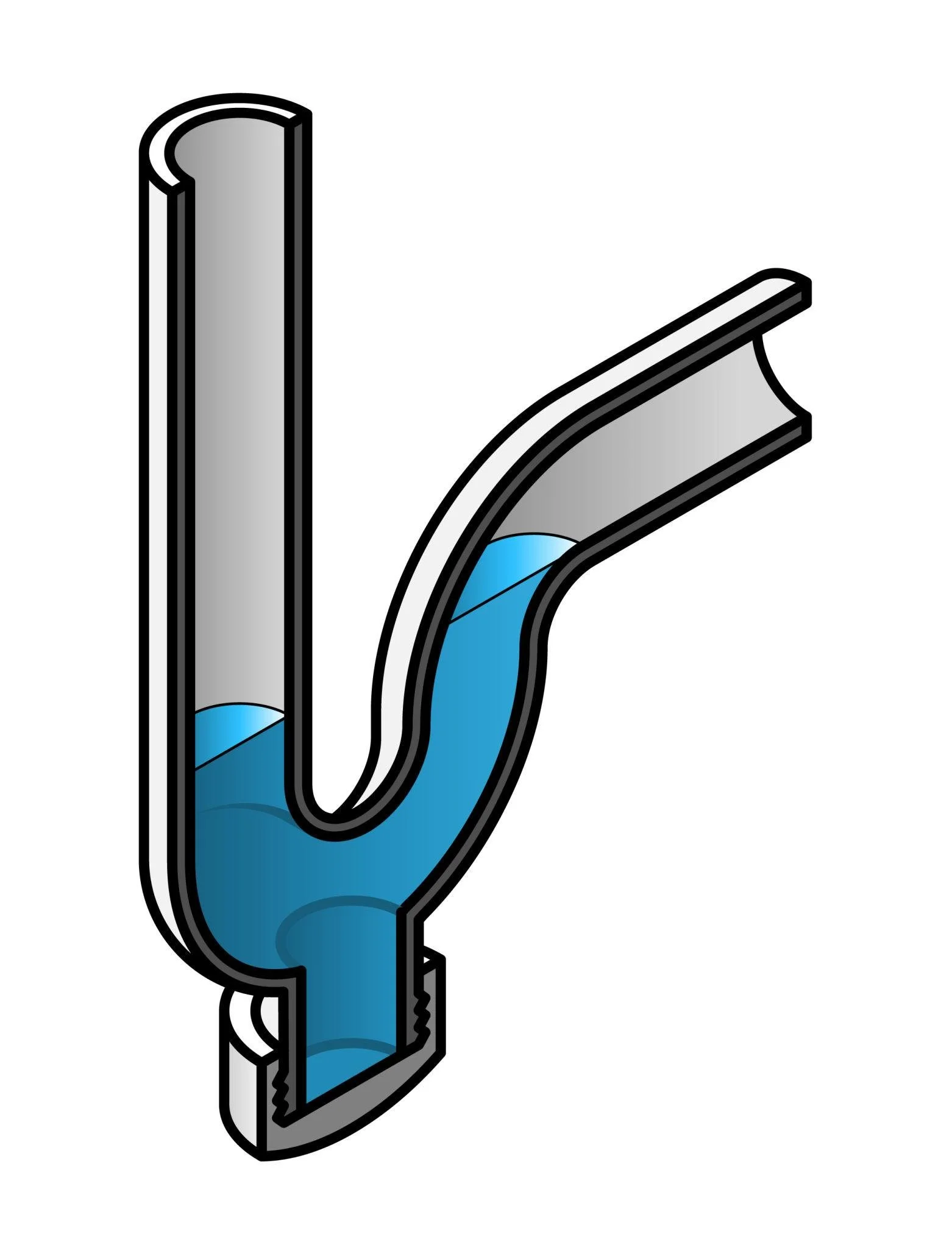
Typical P-Trap filled with water preventing sewer gasses from entering home
Common failures inspectors see
These issues come up again and again during inspections:
Progressive clogs from hair, soap scum, grease, food waste, and “flushable” wipes.
Main sewer line blockages, often from tree roots or damaged pipe, causing multiple fixtures to back up.
Vent problems (blocked, damaged, or improperly installed vents) leading to gurgling drains and slow flow.
Trap issues such as missing traps, prohibited S-traps, or dried-out traps in rarely used drains.
Improper slope or sagging pipes, creating low spots where solids settle and clogs return.
Aging or corroded piping, especially older cast iron, which can leak and snag debris.
Backflow risk for basement or below-grade fixtures during heavy rain or sewer surcharging.
Why it matters to homeowners
DWV problems aren’t just annoying—they can be health, safety, and financial risks.
Health: Sewer gas can contain hydrogen sulfide, which is dangerous at high levels.
Safety: Sewage backups involve contaminated water and require protective cleanup.
Cost: A simple clog might cost a few hundred dollars to clear; a failed sewer line can run into the thousands.
Scope: One defect can affect multiple fixtures, because the system is interconnected.
What inspectors look for
During a home inspection, inspectors typically evaluate how fixtures drain and sound when used—since slow drainage or gurgling can signal underlying issues—while also confirming that traps are present and properly configured at each fixture. They look for correct vent connections and proper termination at the roof, assess the visible slope and support of drain piping, and note the location and condition of cleanouts. Inspectors also watch for signs of leaks, corrosion, or sewer odors, and check for appropriate backflow protection in homes with below-grade fixtures where backup risk is higher.
When to call a professional
Call a licensed plumber right away if you experience sewage backing up or overflowing, multiple fixtures backing up at the same time, persistent sewer-gas odors that don’t resolve after refilling traps, or a combination of gurgling sounds and slow drainage affecting more than one fixture. These symptoms often point to a larger DWV or main-line problem and should be treated as urgent to prevent health risks and further damage.
You can often handle minor issues yourself—like clearing a single clogged sink or refilling a dried-out trap—but repeated or widespread symptoms need professional diagnosis, often with a camera inspection.
Bottom line
A DWV system is a balance of gravity, water-sealed traps, and vented airflow. When one part fails, homeowners usually see the same warning signs: slow drains, gurgling, odors, and backups. Understanding what those signs mean helps you act early—before a small plumbing issue becomes a messy, expensive problem.