
Top 10 Issues Found During Home Inspections in Central Texas
If you’re buying or selling a home in Central Texas—whether in Austin, San Antonio, New Braunfels, or throughout the Hill Country—there’s one thing you need to understand:
Homes here face a completely different set of challenges than in other parts of the country.
From shifting soil to brutal summer heat, the environment plays a major role in what shows up during a home inspection. Knowing what to expect not only protects your investment—it gives you confidence going into the transaction.
Let’s break down the top 10 issues found during home inspections in Central Texas, with real insight into what matters most locally.
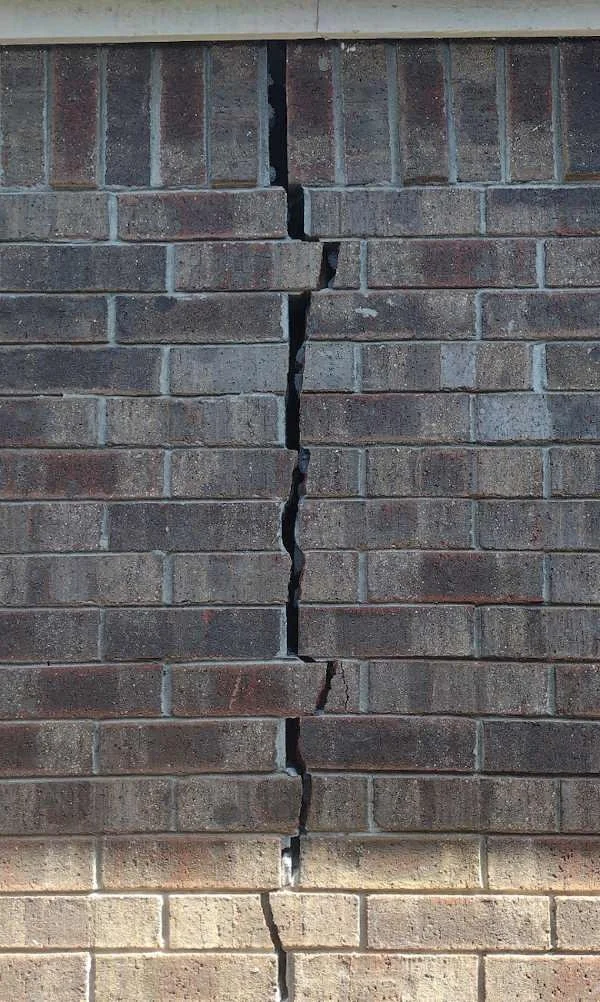
1. Foundation Movement from Expansive Clay Soil
Central Texas is notorious for expansive clay soil, which swells when wet and shrinks during drought. This constant movement puts stress on foundations year-round.
Common Signs:
Cracks in brick or drywall
Uneven floors
Doors and windows sticking
Why It Matters:
Foundation movement is one of the most expensive repairs a homeowner can face.
Pro Tip:
Look for patterns, not just cracks. A trained inspector evaluates movement trends, not isolated cosmetic issues.
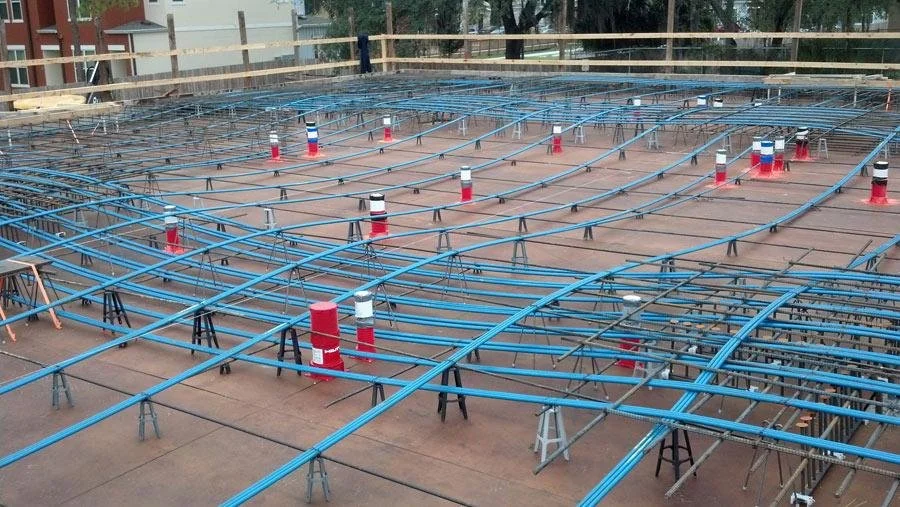
2. Post-Tension Slab Concerns
Many homes in areas like Austin, San Antonio, and New Braunfels are built on post-tension (PT) slabs.
Common Issues:
Cracks near tension cables
Improper modifications (cutting/drilling)
Uneven slab deflection
Why It Matters:
PT slabs are engineered systems. Damage or improper work can be dangerous and costly.
Expert Insight:
Not all inspectors understand PT systems. Look for someone with Post-Tensioning Institute (PTI) knowledge—it makes a difference.
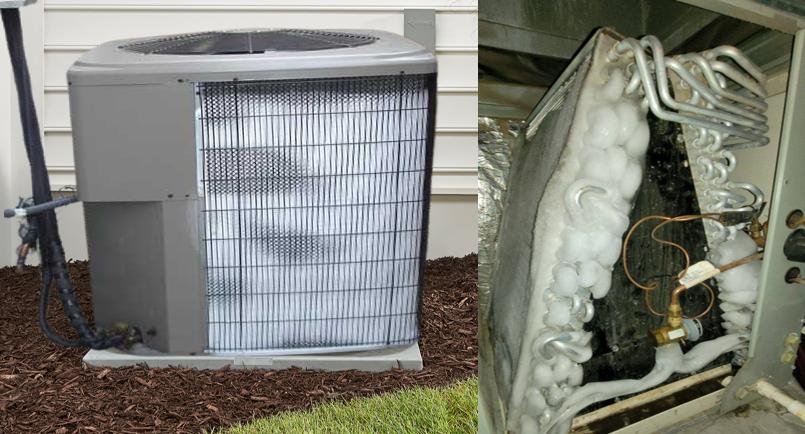
3. HVAC Strain from Texas Heat
Central Texas summers regularly hit 100°F+, putting serious strain on HVAC systems.
Common Problems:
Overworked condensers
Dirty or restricted airflow
Poor attic insulation
Why It Matters:
A failing HVAC system in Texas isn’t just uncomfortable—it’s urgent.
Pro Tip:
Check the age and maintenance history. In this climate, systems often wear out faster than national averages.
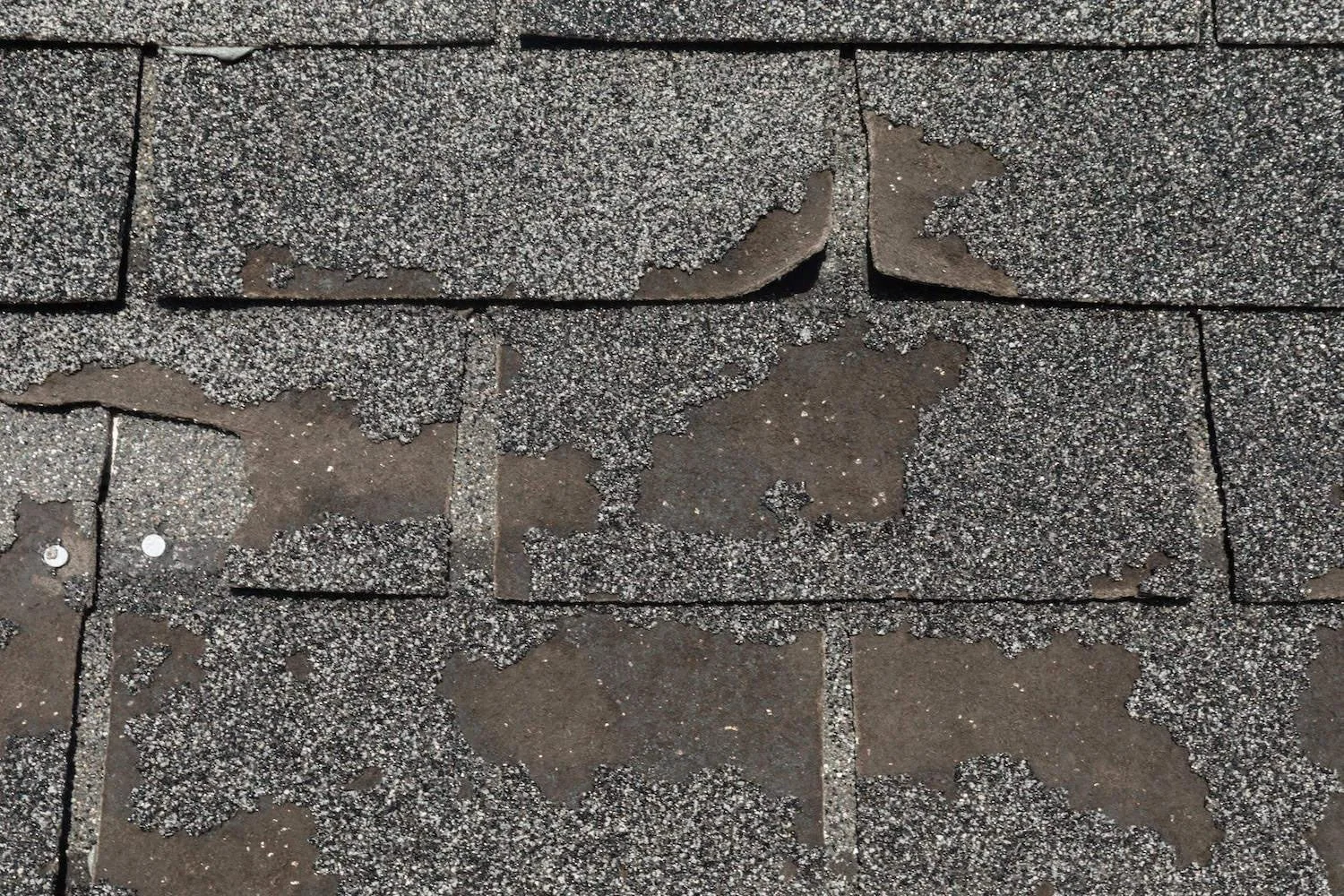
4. Roof Damage from Hail and Sun Exposure
Between hailstorms and intense UV exposure, roofs in Central Texas take a beating.
Common Issues:
Hail impact damage
Granule loss
Curling or brittle shingles
Why It Matters:
Roof issues can lead to hidden leaks and insurance complications.
Expert Insight:
Even minor hail damage can qualify for insurance claims—if documented correctly.
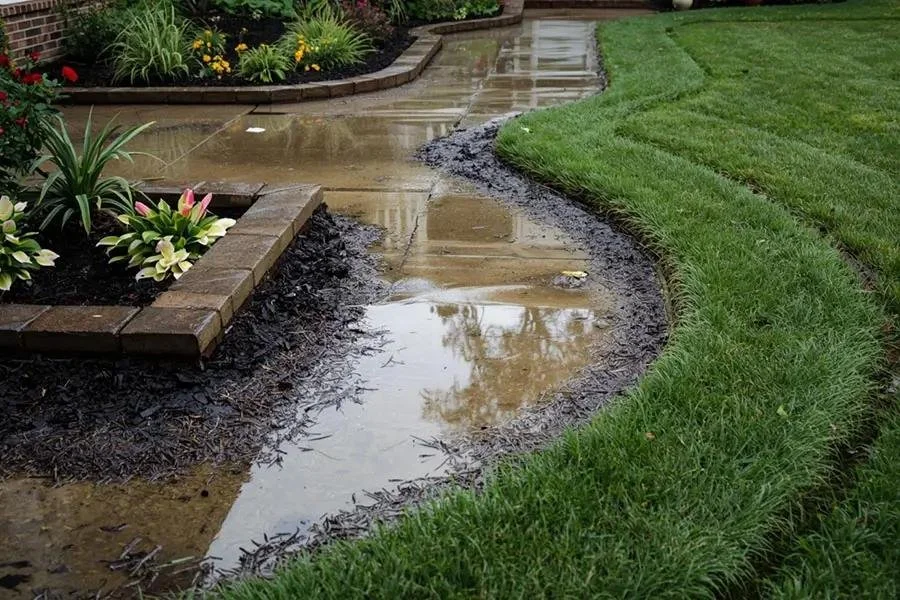
5. Drainage and Grading Problems
With heavy rains followed by drought, proper drainage is critical.
Common Problems:
Water pooling near foundation
Improper grading
Short or missing downspouts
Why It Matters:
Water + clay soil = accelerated foundation movement.
Pro Tip:
Drainage fixes are often simple—but ignoring them leads to expensive structural problems.
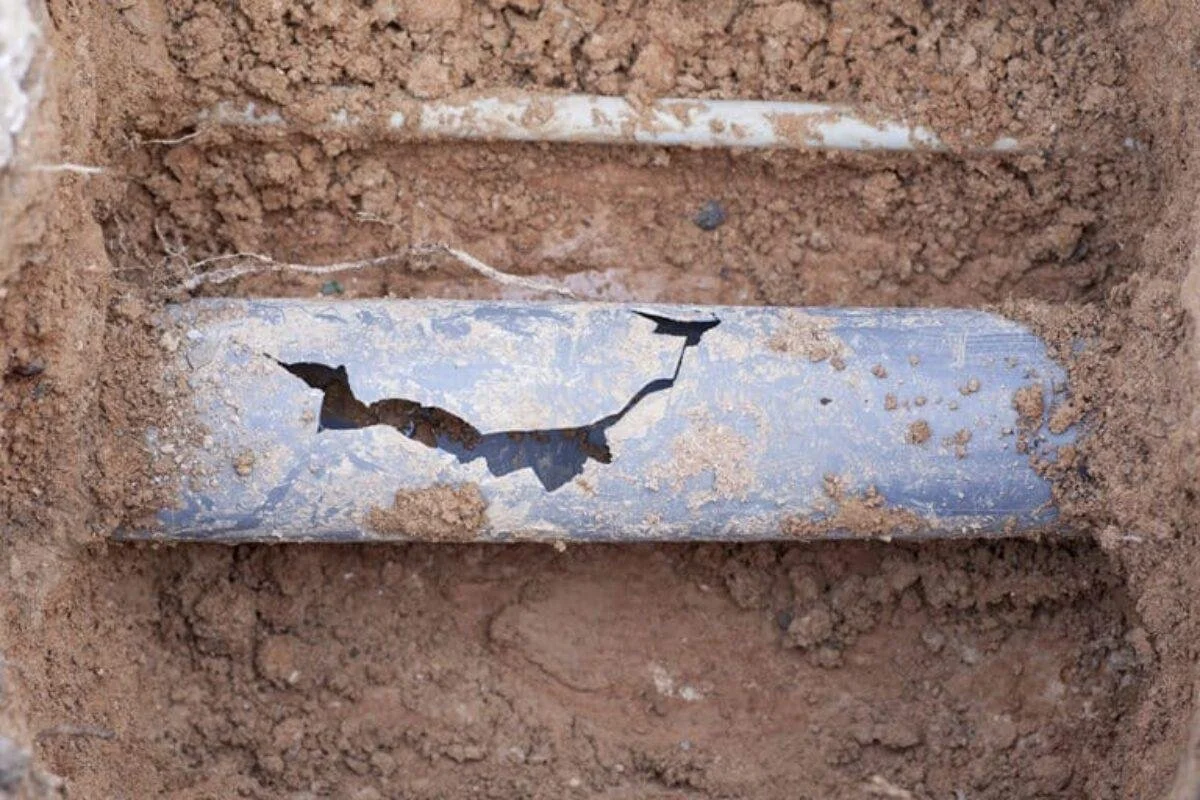
6. Plumbing Issues (Especially Under Slabs)
Many homes have plumbing running beneath slab foundations.
Common Issues:
Leaks under the slab
Aging cast iron pipes
Improper repairs
Why It Matters:
Slab leaks can be hard to detect and costly to access.
Expert Insight:
Early signs like higher water bills or warm spots on floors shouldn’t be ignored.

7. Electrical System Deficiencies
Electrical issues are common, especially in older Central Texas homes.
Common Problems:
Double-tapped breakers
Missing GFCI protection
Outdated wiring
Why It Matters:
These aren’t just defects—they’re safety hazards.
Pro Tip:
Electrical fixes are usually straightforward, but they should always be handled by a licensed electrician.
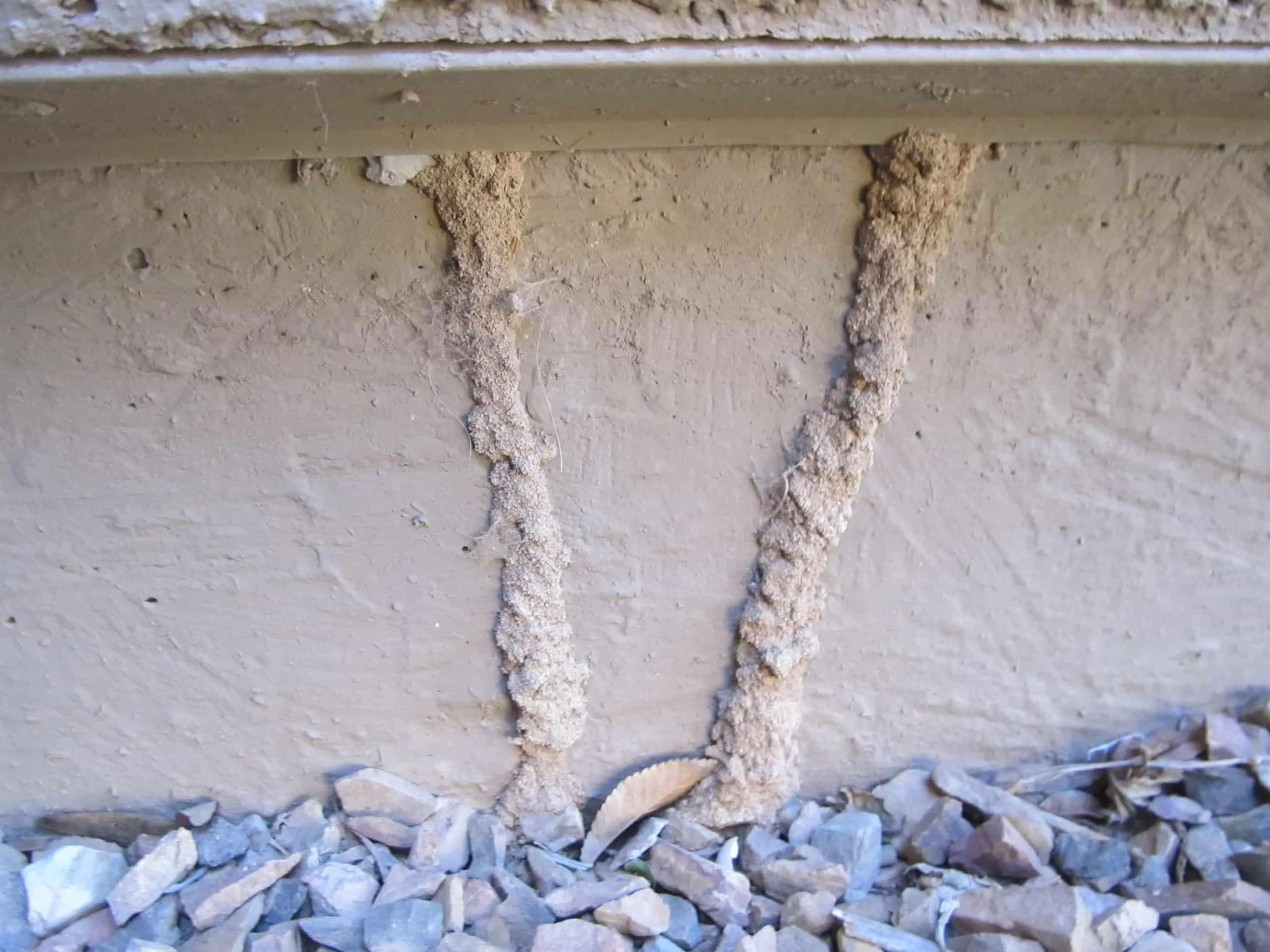
8. Termite and Pest Activity
Warm climates like Central Texas are ideal for pests.
Common Issues:
Termite mud tubes
Wood damage
Rodent activity in attics
Why It Matters:
Pests can silently cause structural damage over time.
Expert Insight:
Even if activity is old, it’s important to confirm whether treatment was done properly.
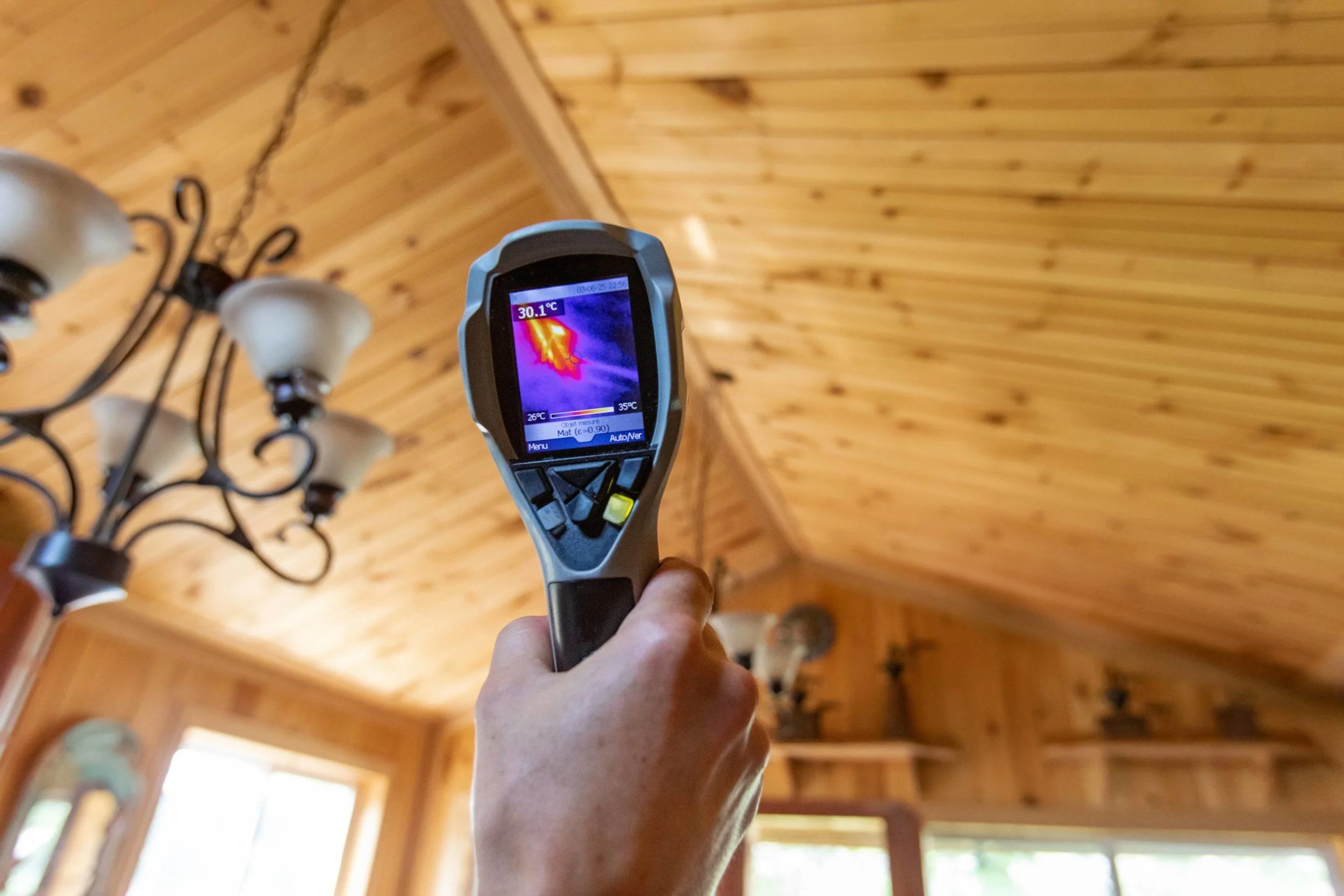
9. Attic Ventilation & Insulation Problems
Attics in Texas can exceed 140°F, and poor ventilation makes it worse.
Common Problems:
Inadequate insulation
Blocked vents
Heat buildup
Why It Matters:
This impacts energy bills, HVAC lifespan, and moisture control.
Pro Tip:
A well-balanced attic system extends roof and HVAC life significantly.
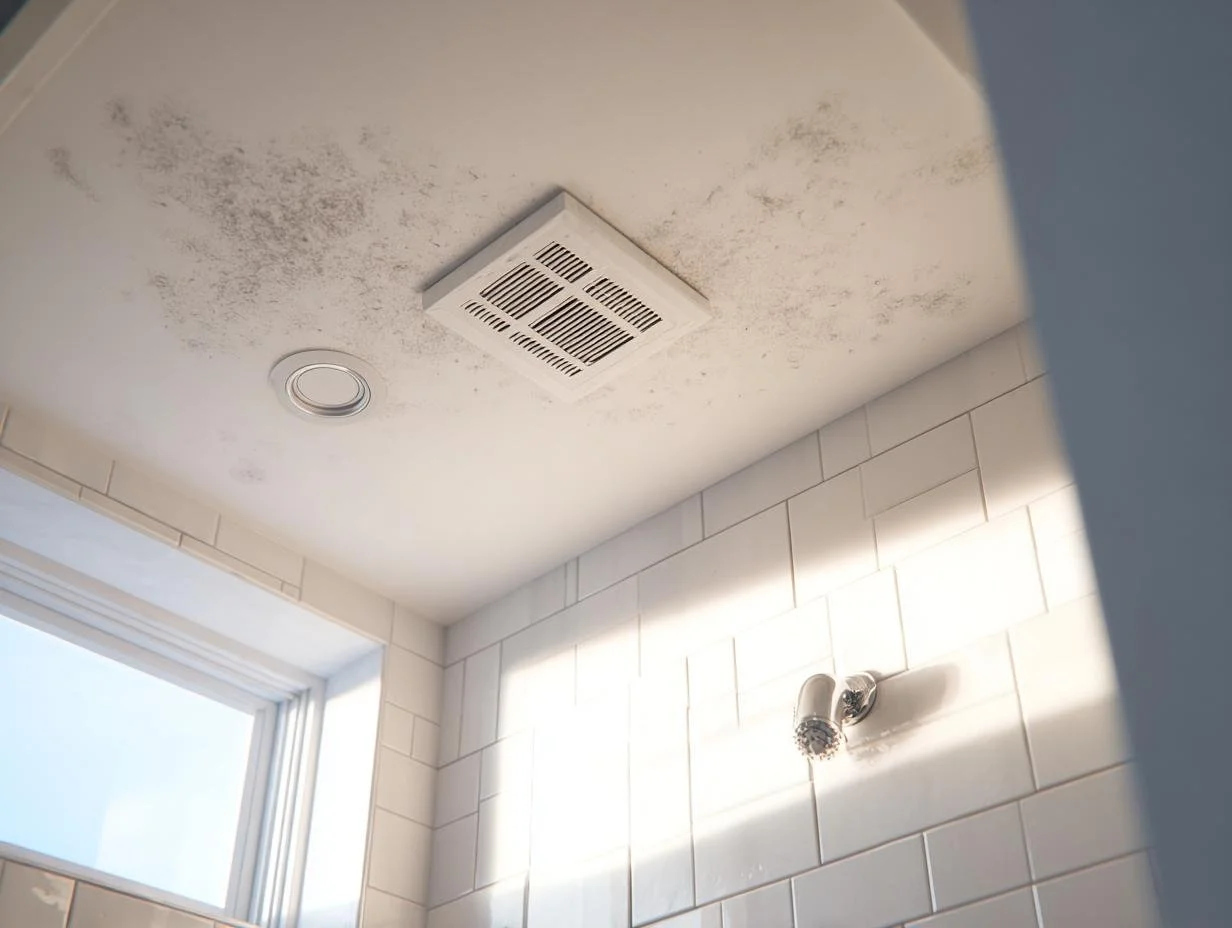
10. Moisture Intrusion & Mold Risk
Humidity swings and poor ventilation can lead to moisture issues.
Common Signs:
Mold growth
Musty odors
Water stains
Why It Matters:
Moisture problems can affect both health and structural integrity.
Expert Insight:
In Central Texas, moisture issues are often tied to ventilation—not just leaks.
Final Thoughts: Why Local Expertise Matters
A home inspection in Central Texas isn’t just about checking boxes—it’s about understanding how this specific environment impacts homes over time.
From expansive clay soil in the Hill Country to extreme heat in Austin and San Antonio, these factors require a trained eye and local experience.
If you’re buying, this knowledge helps you:
Avoid costly surprises
Negotiate with confidence
Plan for long-term maintenance
If you’re selling, it helps you:
Address issues early
Build buyer trust
Prevent deal delays
Bottom Line
The best inspections don’t just point out problems—they explain what matters, what doesn’t, and what to do next.
That’s what separates a basic inspection from one that actually protects your investment.