
The Foundation of Safety: Why Proper Drainage is Non-Negotiable in Central Texas
Blackland clay never truly sits still
In Central Texas, drainage is not a landscaping detail. It is part of the structural system of the house. Much of the region sits on Blackland Prairie clay, a type of Vertisol that shrinks as it dries, swells as it gets wet, and can open deep, wide cracks during dry periods. Those moisture swings change the soil’s volume under and around a home, which is exactly why expansive clay is such a serious foundation risk.
The real trouble starts when the moisture is not uniform. If one area around the home stays wet from ponding, a leaking line, or a dumping downspout while another area dries out, the foundation no longer has even support. Technical guidance for homes on expansive soils is very clear: non-uniform moisture leads to differential movement, and differential movement is what creates visible distress, including cracks in foundations and walls.
Density turns side yards into drainage channels
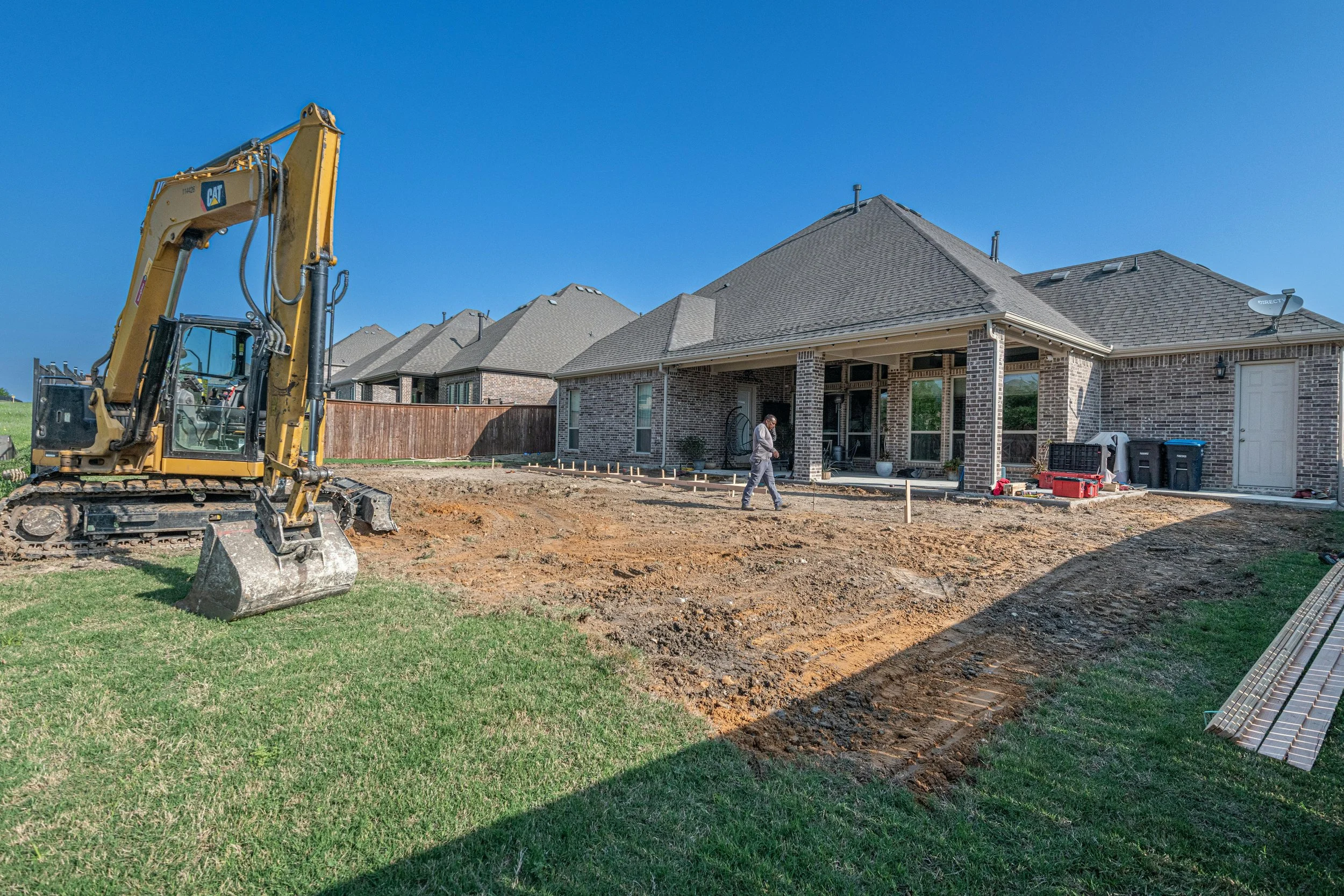
Modern residential development adds a second problem. As more of a lot is covered by rooftops, driveways, walkways, and compacted ground, less rain soaks in and more becomes runoff. Federal stormwater guidance notes that impervious surfaces increase the amount and speed of runoff, and building-science guidance specifically warns that tight setbacks often require swales or drains because there is not enough room to rely on simple grading alone.
That is why newer neighborhoods often develop the “funnel effect” homeowners notice after a storm. In practical terms, narrow side yards can become shared drainage corridors, carrying water from your roofline, your yard, and sometimes the neighboring lot toward the same low spot. When that happens, drainage stops being a private issue and becomes a shared one.
The paradox of water around your foundation
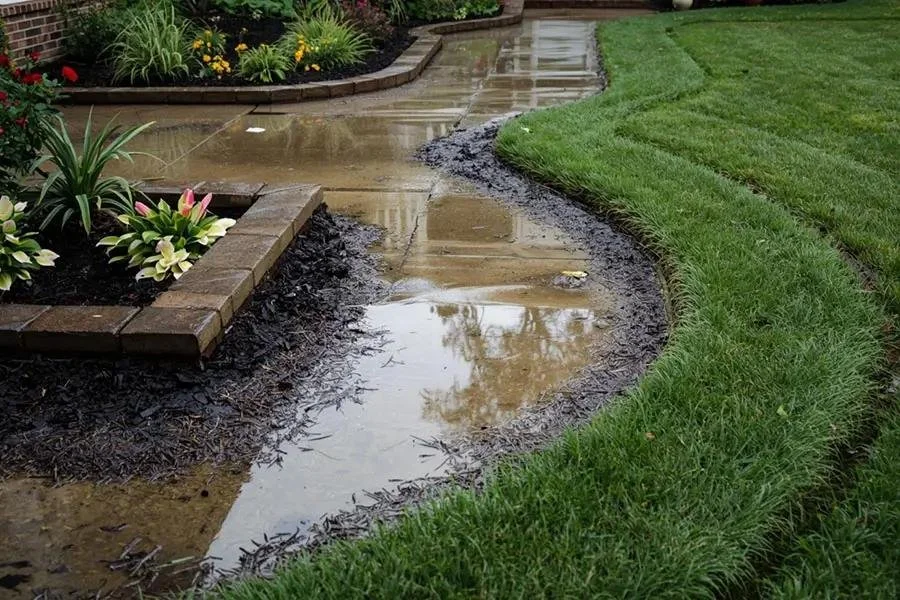
Too much water is the obvious danger. When runoff ponds near the house, it saturates perimeter soils, increases erosion, and can drive moisture toward the structure. Guidance on stormwater control warns that runoff must be channeled away from the building to keep crawlspaces or basements dry where those features exist, and foundation-maintenance guidance warns that water should never be allowed to pond against or near the foundation. Even a few inches of rain on a typical suburban lot can create thousands of gallons of runoff, so a small drainage flaw can become a major problem quickly.
Too little water is just as destructive in expansive soil. When the clay dries, it shrinks, cracks, and can pull back enough to reduce support along slab edges or around piers. The goal is not to keep the soil bone dry; the goal is to keep moisture as consistent as possible. Soil-hazard guidance notes that expansive soils stop shrinking and swelling when moisture stays stable, which is why abrupt wet-dry cycles are so hard on Central Texas foundations.
What smart drainage looks like
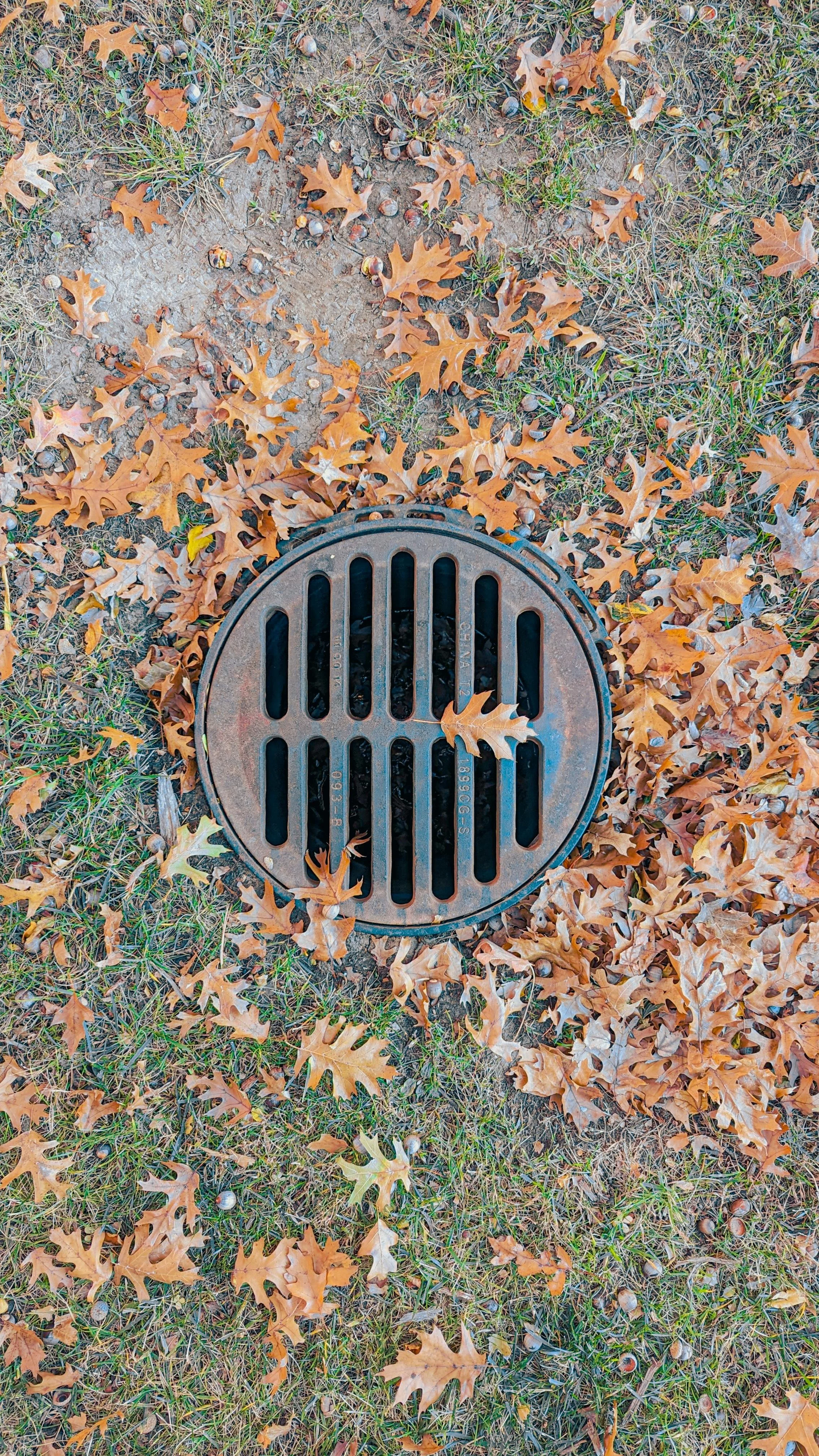
Homeowners do not need exotic solutions, but they do need intentional ones. Start with positive grading away from the house. Best-practice guidance calls for permeable surfaces to slope away from the foundation for the first 10 feet where space allows, and for swales or drains when setbacks are tighter. If water has nowhere to go, a swale can guide it, and a French drain can collect and move it away from the foundation. Gutters matter too: downspouts should not dump at the footing, and guidance for gutter systems calls for discharge well away from the home. In short, proper drainage, downspout extensions, and fast repair of leaks are not cosmetic upgrades. In Central Texas, they are preventative maintenance that protects structural integrity, safety, and property value.