
Beating the Texas Heat: Protecting Your HVAC System from Summer Strain
Texas summers are hard on air conditioners for basic physical reasons. The state has hot summers, the wetter eastern half carries heavy coastal humidity, and research has found a long-term increase in Texas summer extreme heat-wave days. In a central AC system, the evaporator absorbs indoor heat, the outdoor condenser rejects that heat outside, and the compressor keeps refrigerant moving between them. As outdoor temperature rises, cooling capacity and efficiency fall, so the system has to run longer to do the same work.
Why extreme heat punishes AC equipment
During a heat wave, the compressor is trying to dump heat into already-hot outdoor air. That raises operating stress and runtime. Humid weather adds another burden because the system is also removing moisture from indoor air, not just lowering temperature. In practical terms, drier inland parts of Texas often see faster dust buildup on filters and outdoor coils, which cuts airflow and heat transfer. Dirty filters and coils can cause malfunctions and even premature compressor or fan failure.
Capacitors are another common weak point in brutal summer weather. They give compressor and fan motors the boost they need to start and help them run efficiently. One manufacturer guide warns that extreme temperatures can shorten capacitor life, and one HVAC capacitor datasheet states that case temperatures above 70°C have a major effect on lifespan.
DIY maintenance homeowners can do
Check or replace the air filter every month or two during cooling season; if the system runs constantly, you have pets, or conditions are dusty, check it more often.
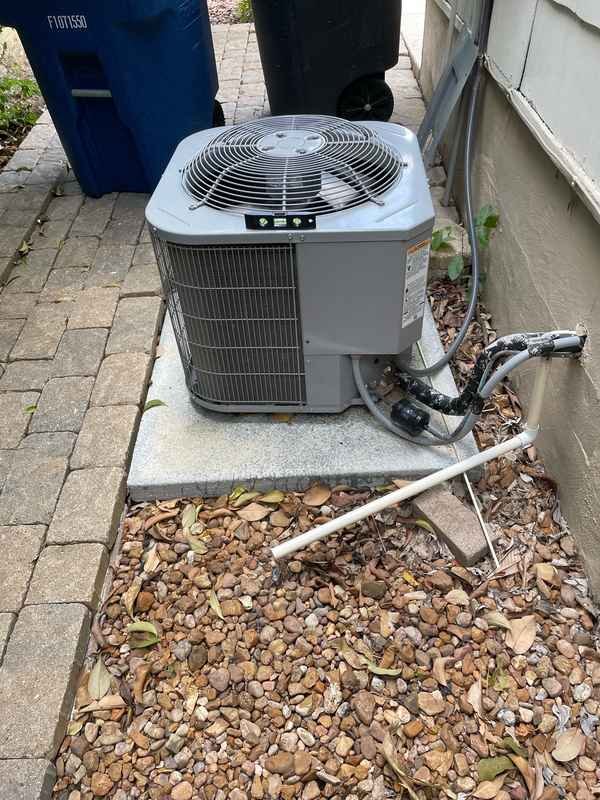
Keep the outdoor unit clear. Remove leaves, grass, and debris, and trim vegetation back at least two feet so the condenser can breathe.
Make sure supply and return airflow is not being choked off. Keep interior doors open where practical and do not block grilles with furniture or rugs.
Check the condensate drain if it is accessible and you were shown how to maintain it; humid weather makes drain clogs more likely.
Make sure the thermostat is reading the room correctly. Replace weak batteries and keep it away from direct sun or nearby heat sources.
What a professional tune-up should include
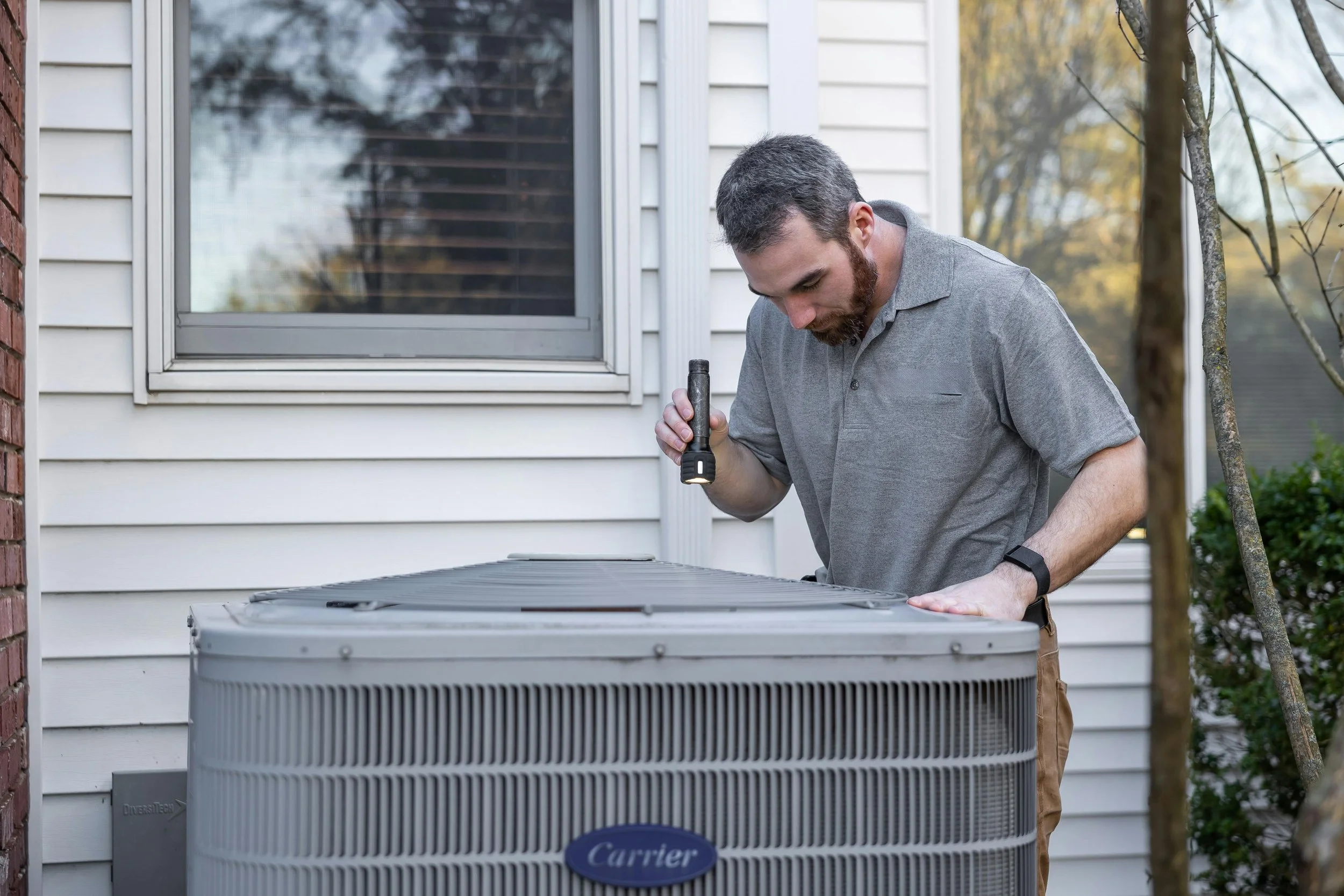
A real seasonal tune-up is more than a quick rinse. A technician should:
Check refrigerant charge and look for leaks.
Measure airflow across the evaporator coil and inspect coils for dirt that reduces heat transfer.
Inspect, clean, and tighten electrical connections; measure voltage and current on motors; and verify safe startup and shutdown sequence.
Inspect the condensate drain and confirm proper drainage.
Test capacitor condition and other electrical components before a weak part shuts the system down on a peak-demand day.
Check duct leakage in central systems when needed.
Why professional service matters
Pre-season service helps the system run at peak performance, improves comfort and efficiency, and can extend equipment life. In Texas, where long runtimes, humidity, and dust expose every weak point, skipping maintenance is often what turns a manageable issue—dirty coils, a weak capacitor, a clogged drain, loose wiring—into a mid-summer no-cool failure.