
Common Electrical Defects Found During Central Texas Home Inspections
Electrical defects are some of the most important findings in a home inspection because they can affect safety, insurance, repair negotiations, and future remodeling costs. In the Austin, New Braunfels, and San Antonio corridor, inspectors often see the same patterns: older wiring mixed with newer upgrades, DIY repairs, missing safety protection, and panels that were not designed for modern electrical loads. A home inspection is not a code-compliance inspection, and inspectors do not dismantle the electrical system. But a good inspection can identify visible safety concerns, explain why they matter, and recommend when a licensed electrician should evaluate repairs before closing or listing.
1. Missing or Improper GFCI Protection
Why GFCI protection matters
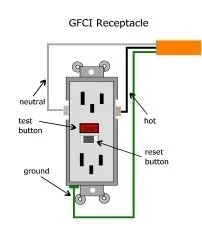
Ground-fault circuit interrupter protection, commonly called GFCI protection, helps reduce shock risk where electricity and moisture may meet. Missing GFCI protection is one of the most common electrical defects found during home inspections.
In Central Texas homes, GFCI issues often show up at:
Bathrooms
Kitchen countertops
Garages
Exterior receptacles
Laundry areas
Pool, spa, and irrigation equipment areas
Crawl spaces and other damp or wet locations
What buyers and sellers should know
A receptacle may look newer and still lack proper protection. GFCI protection can be provided by a GFCI outlet, a GFCI breaker, or an upstream device. During an inspection, the key question is whether the receptacle is actually protected and trips properly when tested.
2. Double-Tapped Breakers and Overcrowded Panels
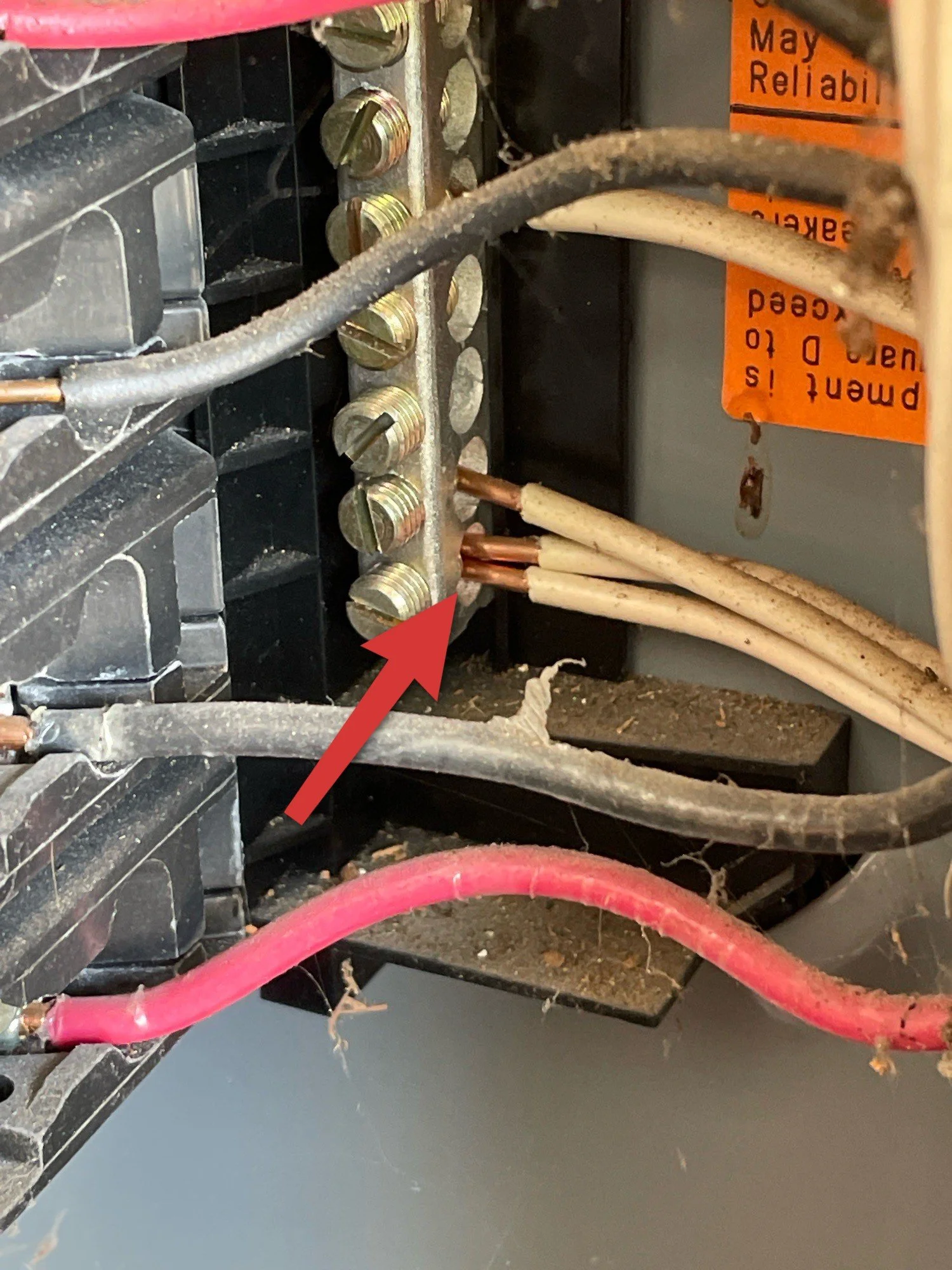
What a double-tap means
A double-tapped breaker usually means two conductors are connected under one breaker terminal that is designed for only one conductor. This is common in homes where circuits were added for appliances, remodels, garage equipment, outdoor lighting, or workshops.
The concern is that the breaker terminal may not clamp both wires evenly. That can lead to:
Loose connections
Overheating
Arcing
Breaker damage
Intermittent power issues
Why it matters in real estate
Double-taps are often easy to spot, but the proper repair depends on the panel, breaker type, available space, and circuit layout. The fix may involve a pigtail connection, a properly rated breaker, a subpanel, or a panel upgrade. It should be evaluated by a licensed electrician.
3. Ungrounded Outlets in Older Homes
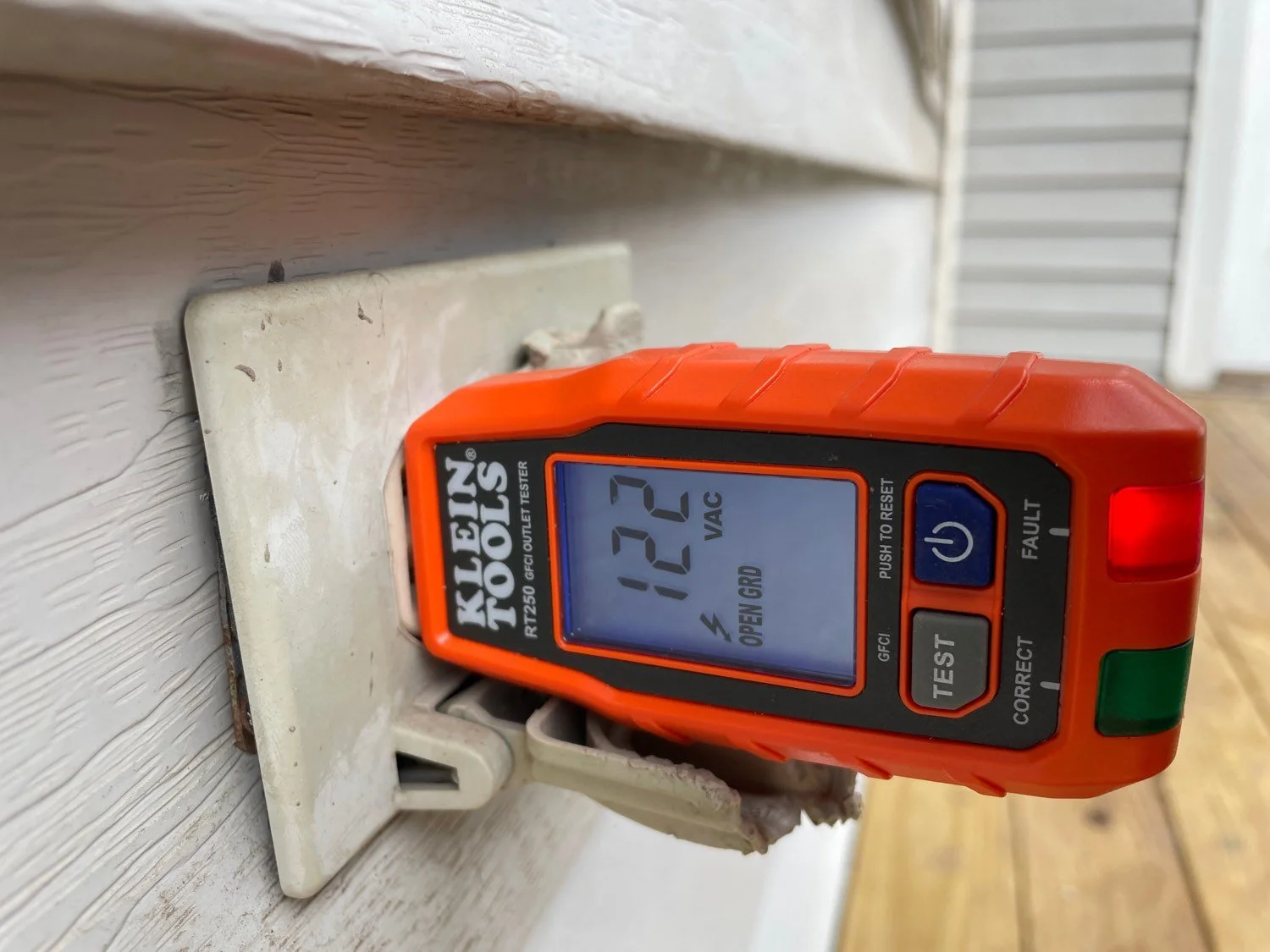
Common in Austin, San Antonio, and New Braunfels
Ungrounded outlets are especially common in older homes and remodeled properties. A two-prong outlet often indicates no equipment grounding conductor. A three-prong outlet can also be ungrounded if someone replaced the device without upgrading the wiring.
Grounding helps provide a safe fault path and supports proper operation of many surge protectors and modern electronics. Ungrounded receptacles can be especially concerning in home offices, kitchens, garages, media rooms, and bedrooms where buyers expect modern electrical performance.
Important distinction
A GFCI-protected, ungrounded receptacle may provide shock protection, but it does not create an equipment ground. If this method is used, the outlet should be properly labeled. Buyers should not assume a three-slot receptacle means the circuit is grounded.
4. Outdated Electrical Panels: Federal Pacific, Zinsco, and Obsolete Equipment
Why old panel brands get flagged
Older panels, including Federal Pacific and Zinsco equipment, are frequently flagged during home inspections because of long-standing concerns about breaker reliability, overheating, bus bar damage, and limited replacement options. The brand name alone does not tell the entire story, but it is enough to justify further evaluation.
In a real estate transaction, outdated panels can affect:
Safety recommendations
Insurance underwriting
Repair negotiations
Future remodel planning
EV charger or generator installation plans
Best next step
If a home has a Federal Pacific, Zinsco, obsolete, damaged, corroded, or overcrowded panel, the inspection report should recommend review by a licensed electrician. Panel replacement can be one of the larger electrical repair items, so buyers should understand the scope before closing.
5. Open Splices, Missing Covers, and Exposed Wiring
Where inspectors find them
Open splices and exposed wiring are common in attics, garages, water heater closets, crawl spaces, and above drop ceilings. In Central Texas, attics are a frequent trouble spot because older homes often receive HVAC, lighting, security, solar, or cable upgrades over time.
Common findings include:
Wire splices outside junction boxes
Missing junction box covers
Loose or unsupported wiring
Damaged cable sheathing
Abandoned wiring that is not properly secured or terminated
Why it matters
Electrical connections should be enclosed and protected. Exposed splices increase the chance of shock, overheating, mechanical damage, and fire risk. These defects are often straightforward for an electrician to correct, but they should not be ignored.
6. Improper Exterior Electrical Installations
Outdoor systems take a beating
Outdoor receptacles, lighting, pool equipment, septic controls, irrigation controllers, sheds, and detached garages all create opportunities for electrical defects. In the Austin to San Antonio corridor, exterior components face intense sun, rain, sprinklers, pests, and soil movement.
Common exterior findings include:
Missing weather-resistant covers
Damaged conduit
Loose exterior boxes
Receptacles without proper GFCI protection
Extension cords used as permanent wiring
Unprotected wiring to sheds, pumps, gates, or landscape lighting
For sellers, these are smart pre-listing repair targets because buyers can easily understand them and many are relatively simple to correct.
Regional Context: Central Texas Heat, Storms, and Electrical Stress
Central Texas weather adds pressure to residential electrical systems. Long cooling seasons in Austin, New Braunfels, San Marcos, and San Antonio mean HVAC equipment runs hard for months. Attics get extremely hot, which can accelerate wear on wiring, junction boxes, and electrical components. Outdoor systems also face UV exposure, heavy rain, wind, lightning, and occasional freeze events.
Storm seasons can reveal weak points: tripping breakers, flickering lights, damaged exterior covers, wet receptacles, and surge-related equipment failures. Homes with older panels, missing grounding, poor exterior wiring, or overloaded circuits may be less prepared for modern loads such as EV chargers, larger HVAC systems, home offices, pools, workshops, and backup generators.
Electrical Defects Are Common, but They Should Be Taken Seriously
Most electrical defects found during a home inspection are repairable. The key is knowing which items are simple safety upgrades and which ones may indicate deeper concerns. Missing GFCI protection, double-tapped breakers, ungrounded outlets, outdated panels, exposed wiring, and exterior defects all deserve attention because they affect safety, functionality, and confidence in the home.
If you are buying, selling, or representing a client in Austin, New Braunfels, San Antonio, or anywhere along the Central Texas corridor, schedule a thorough home inspection before making final decisions. Texas Property Inspections provides clear, photo-documented reporting and plain-English explanations so you know what matters, what can wait, and when a licensed electrician should be brought in.