
Protect Your Central Texas Home: Why Proper Grading and Drainage Matter After Heavy Rain
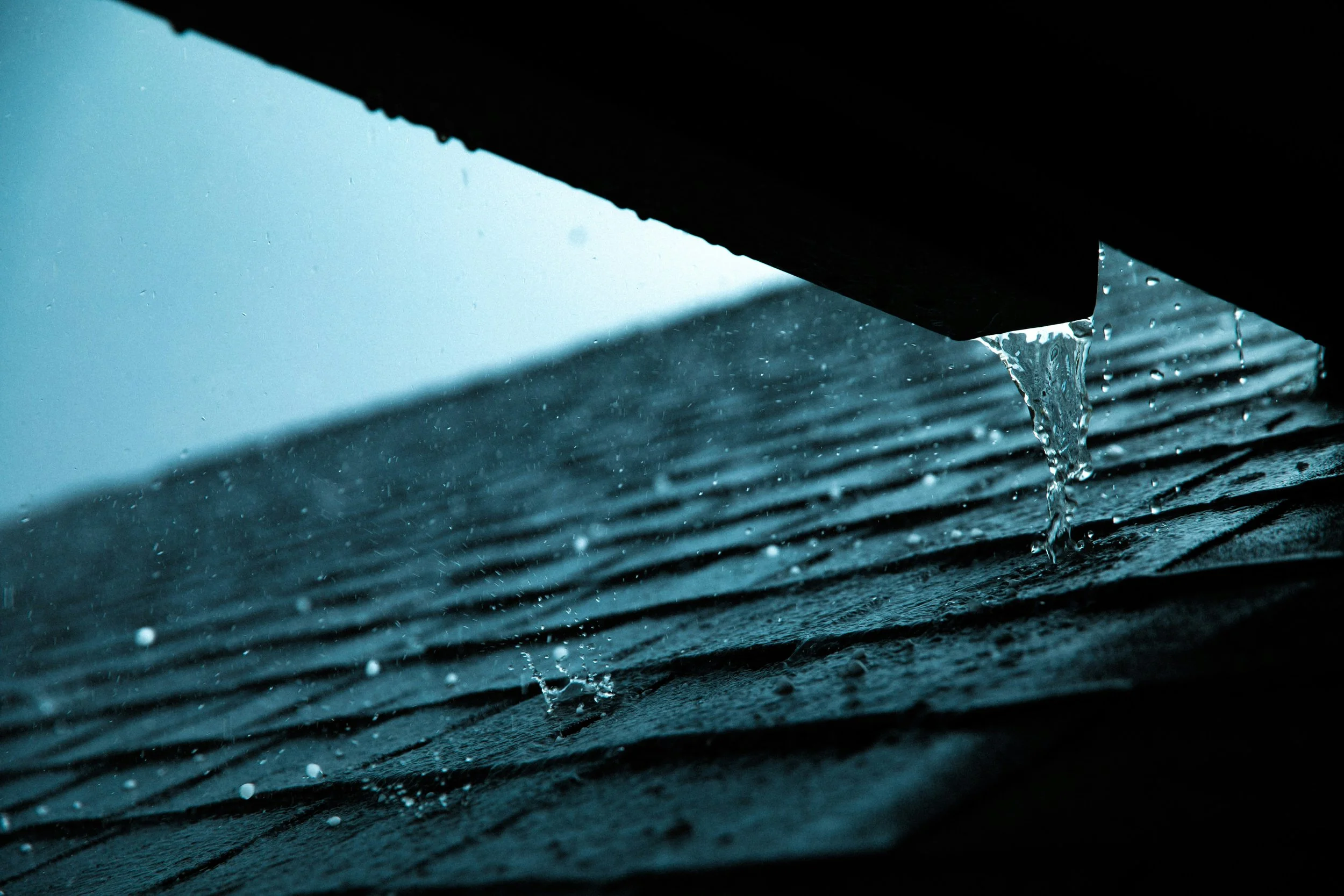
Central Texas homeowners have received a clear reminder of how quickly water can become a property problem. After several days of heavy rain across the Austin–San Antonio corridor, the National Weather Service continued to warn on July 16, 2026, of a flooding threat in portions of the Hill Country and South-Central Texas.
For homeowners in Austin, New Braunfels, San Marcos, Kyle, Buda, Canyon Lake, and San Antonio, this is the right time to examine home grading and exterior drainage. These systems are easy to ignore during dry weather, but they become critical when repeated storms saturate the soil and send roof runoff across the yard.
What Is Home Grading?
Home grading is the slope of the soil and hard surfaces around a house. Proper grading directs rainwater away from the foundation instead of allowing it to collect beside the slab, crawlspace, garage, or basement wall.
A commonly used residential-code benchmark is for the ground to fall at least six inches within the first ten feet away from the foundation, where site conditions allow. The exact solution may vary on tight or steep lots, but the principle is simple: water should move away from the structure toward a safe drainage path.
In Central Texas, that path may include a swale, curb inlet, storm drain, drainage easement, dry creek bed, French drain, or another approved discharge area.
Why Central Texas Drainage Matters
A single inch of rain falling on a 2,000-square-foot roof produces roughly 1,250 gallons of water. Without effective gutters, downspouts, grading, and drainage, much of that water can become concentrated near the foundation.
That becomes especially important during prolonged Central Texas rainfall. Many areas between Austin and San Antonio contain clay-rich soils that can shrink and swell as moisture levels change. Texas agencies recognize that expansive soils can create foundation-performance challenges.
Poor Central Texas drainage does not automatically mean a home will need foundation repair, but repeated ponding and uneven soil moisture can increase the risk of movement, cracking, and settlement. Water may also enter through vulnerable wall joints, door thresholds, garages, crawlspaces, or basements where present.
Problems Caused by Poor Grading and Drainage
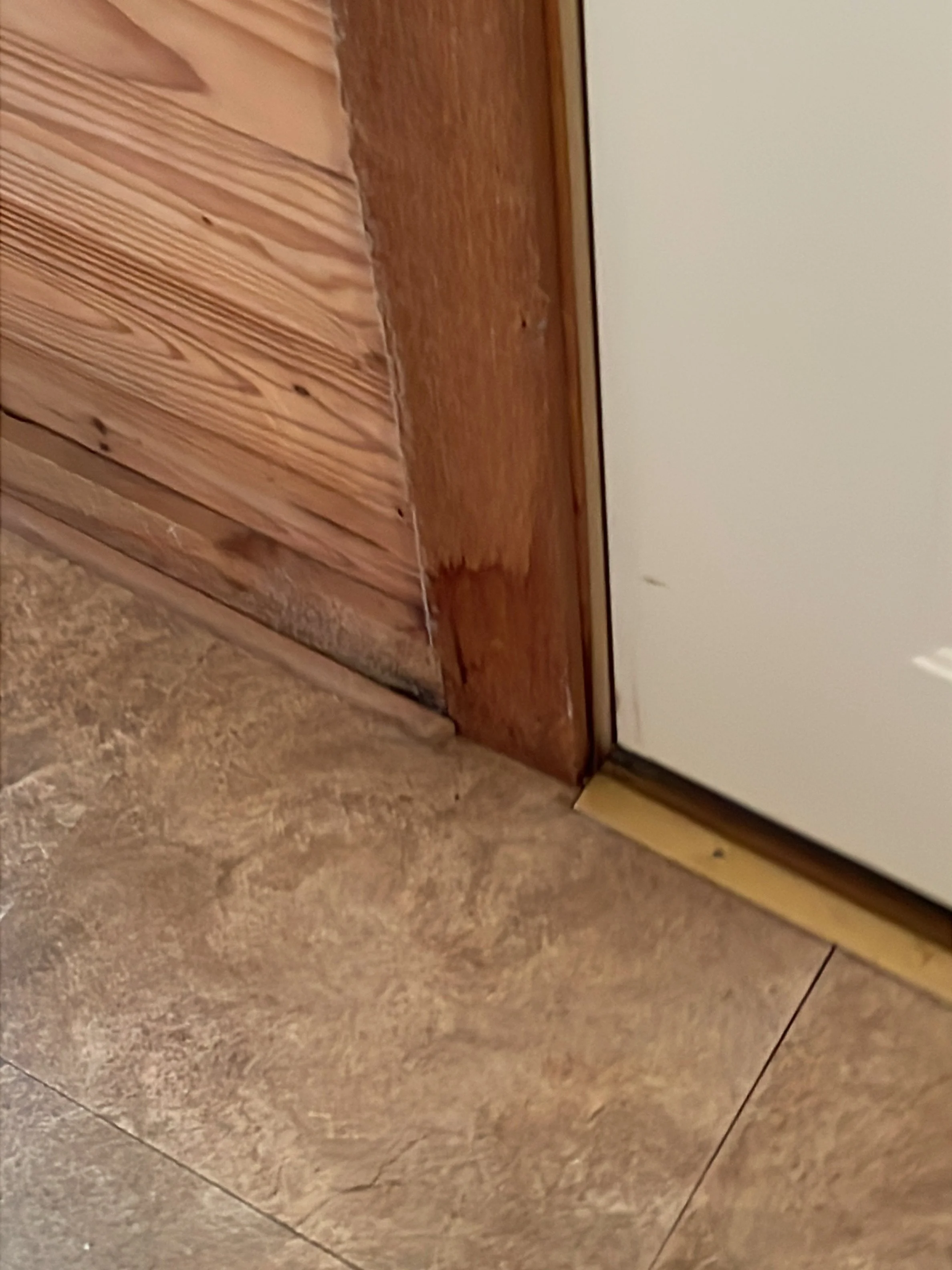
Evidence of water intrusion on door trim
Foundation and Structural Movement
Standing water beside a foundation can saturate one area while other sections remain comparatively dry. Homeowners may notice new drywall cracks, sticking doors, separated trim, cracked masonry, or changes in floor level.
These signs do not prove foundation failure by themselves, but they should not be ignored, especially after repeated storms.
Interior Water Damage
Water flowing toward the house can enter through low doorways, wall penetrations, foundation joints, window wells, or damaged exterior finishes. Once inside, it can damage flooring, drywall, insulation, stored belongings, and electrical components.
Persistent moisture near the structure can also contribute to musty odors, wood deterioration, and conditions favorable to mold growth.
Landscape Erosion and Standing Water
Fast-moving runoff can wash away mulch, expose roots, create trenches, undermine patios, and carry soil toward fences or neighboring properties. Low spots near the foundation, air-conditioning pad, or side yard may also hold water long after the rain stops, indicating that the drainage route is blocked or improperly sloped.
What Homeowners Should Check After Heavy Rain
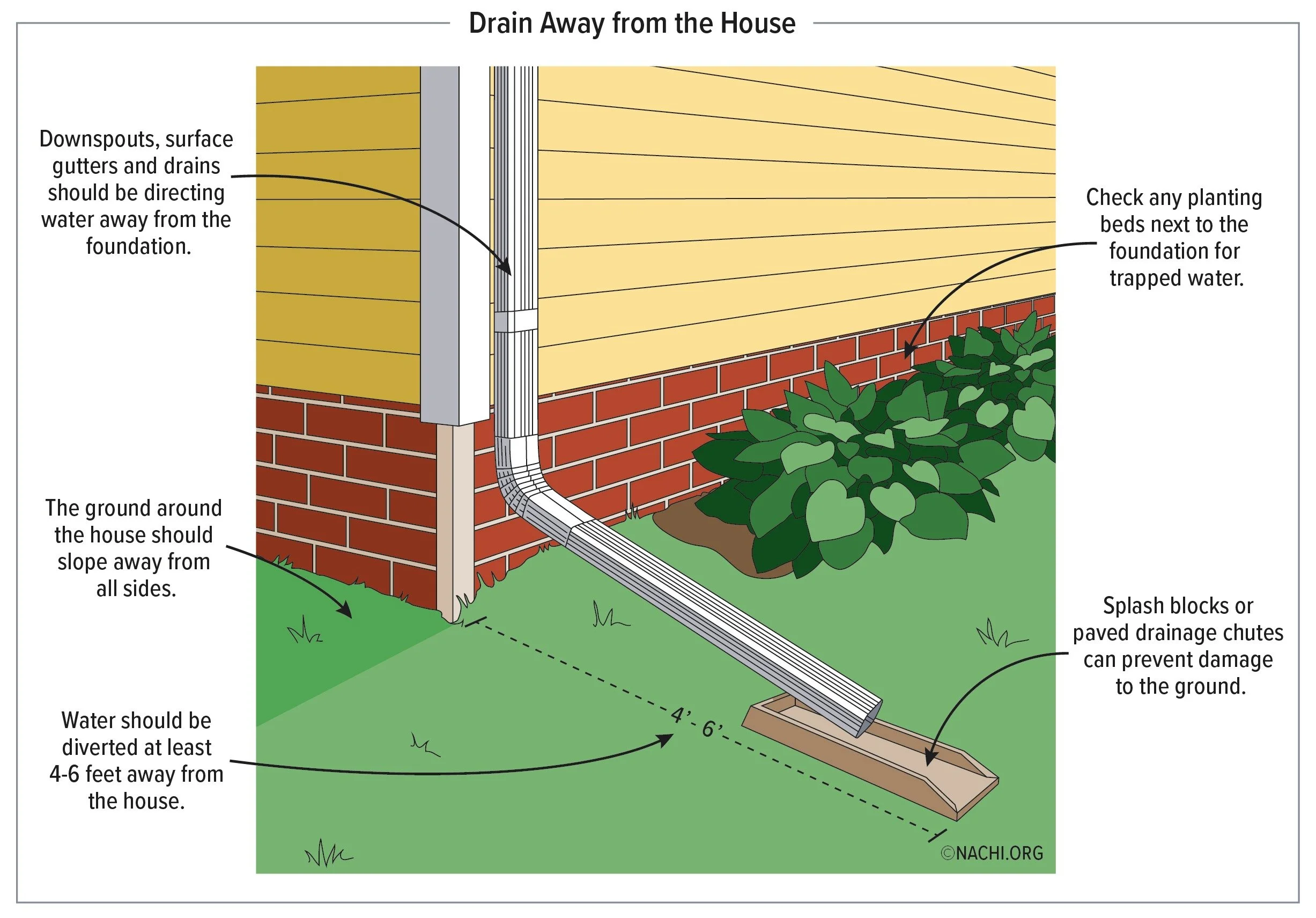
Walk the exterior only when conditions are safe. Look for water collecting beside the slab, soil sloping toward the house, overflowing gutters, disconnected downspouts, eroded areas, clogged yard drains, and water flowing toward patios or exterior doors.
Downspouts should discharge away from the building into an area that can safely absorb or carry the water. FEMA and the EPA recommend directing roof runoff away from the structure while avoiding new drainage problems on neighboring property.
Also check whether landscaping changes have blocked a swale or drainage route. Raised flower beds, edging, new patios, sheds, and accumulated mulch can unintentionally trap water beside a home.
For photos, community updates, and discussion related to the recent flooding, visit the Texas Home Talk Facebook page. For broader local housing and homeowner information, visit Texas Home Talk.
Protecting Your Home Starts With Controlling Water
Good flood prevention requires a coordinated system of roof drainage, gutters, downspouts, positive grading, clear swales, functioning drains, and properly planned landscaping.
The recent Central Texas storms have shown why drainage should be treated as a core part of Texas home maintenance, not a cosmetic yard issue. Addressing ponding, erosion, and water flow early may help prevent expensive water damage, reduce stress on the foundation, and protect the home’s long-term condition.